Origin Intelligence
Vietnam Coffee Origins
Vietnam's Central Highlands (Tây Nguyên) produces over 95% of the country's coffee output. Five provinces, each with distinct altitude, soil, and logistics profiles — all feeding the same global supply chain, but not interchangeable. This guide gives buyers the province-level data they need for origin selection and seasonal planning.
Central Highlands — Coffee Provinces
Coffee Provinces
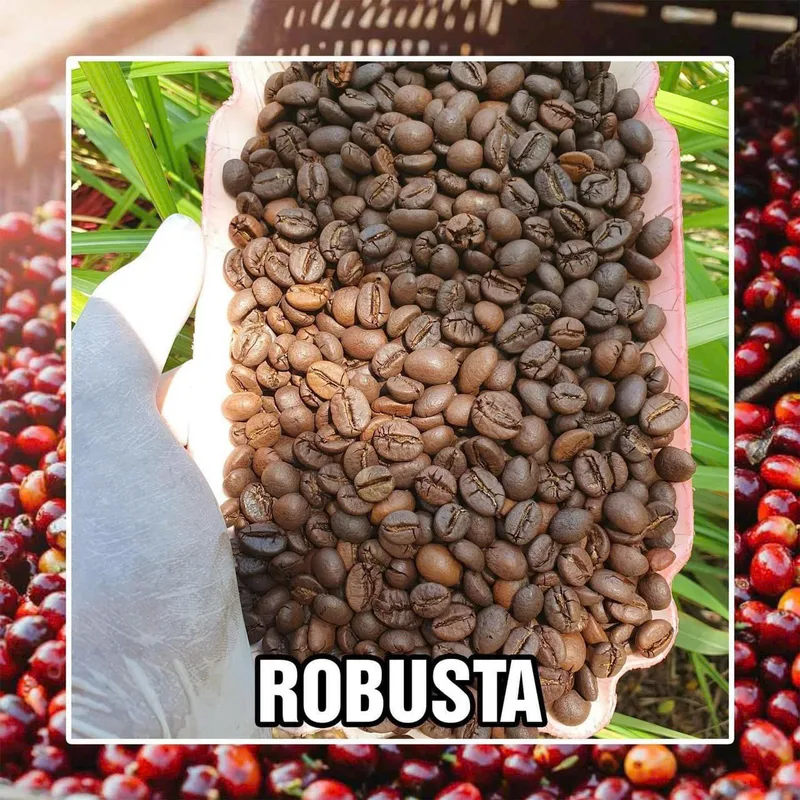
Dak Lak (Đắk Lắk)
Largest single origin. Buon Ma Thuot is Vietnam's coffee capital — strongest processing infrastructure, most competitive spot pricing, reliable year-round availability. Best entry point for large-volume contracts.
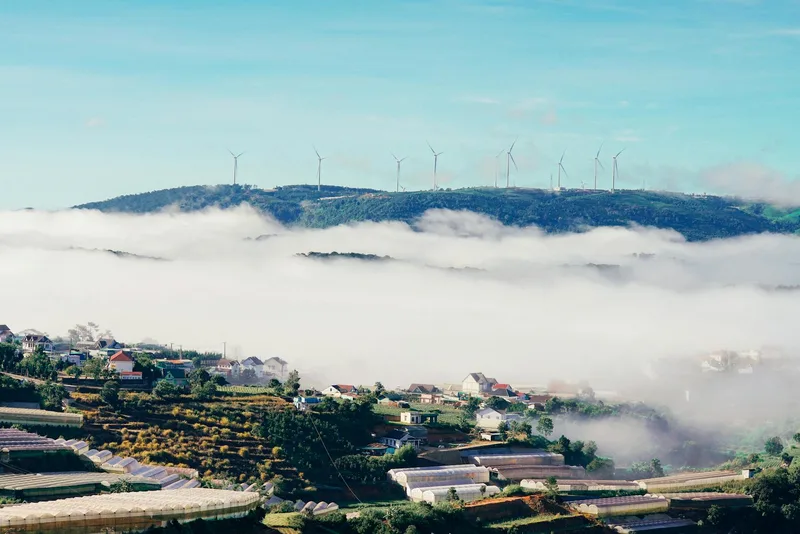
Lam Dong (Lâm Đồng)
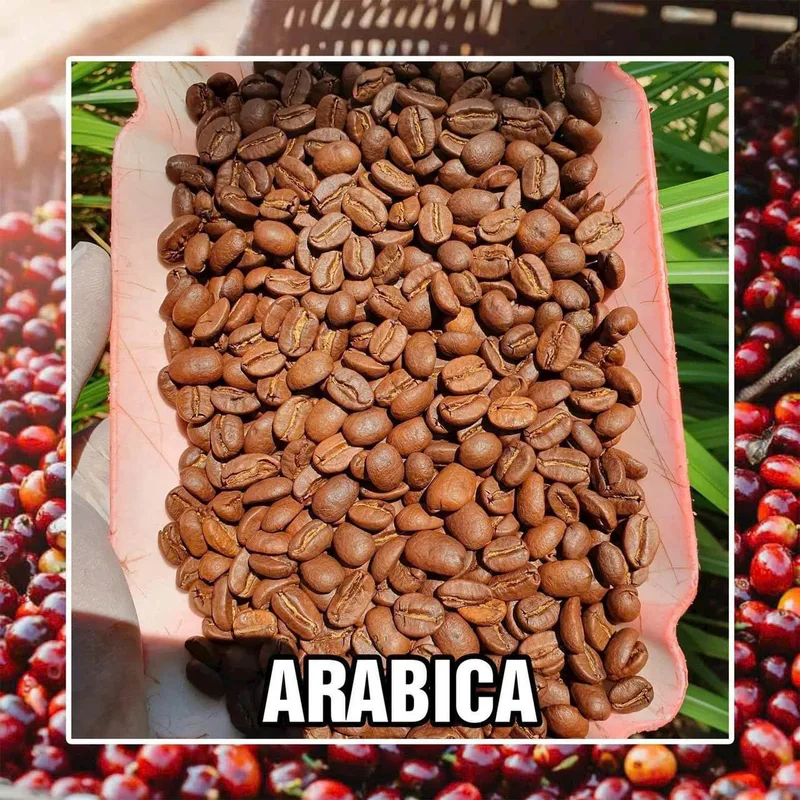
Highest altitude in Central Highlands — denser beans, tighter natural defect tolerance. Dalat origin is buyer-recognized globally. Only province with commercial Arabica at scale. GreenTech is headquartered here — direct traceability to farm level.
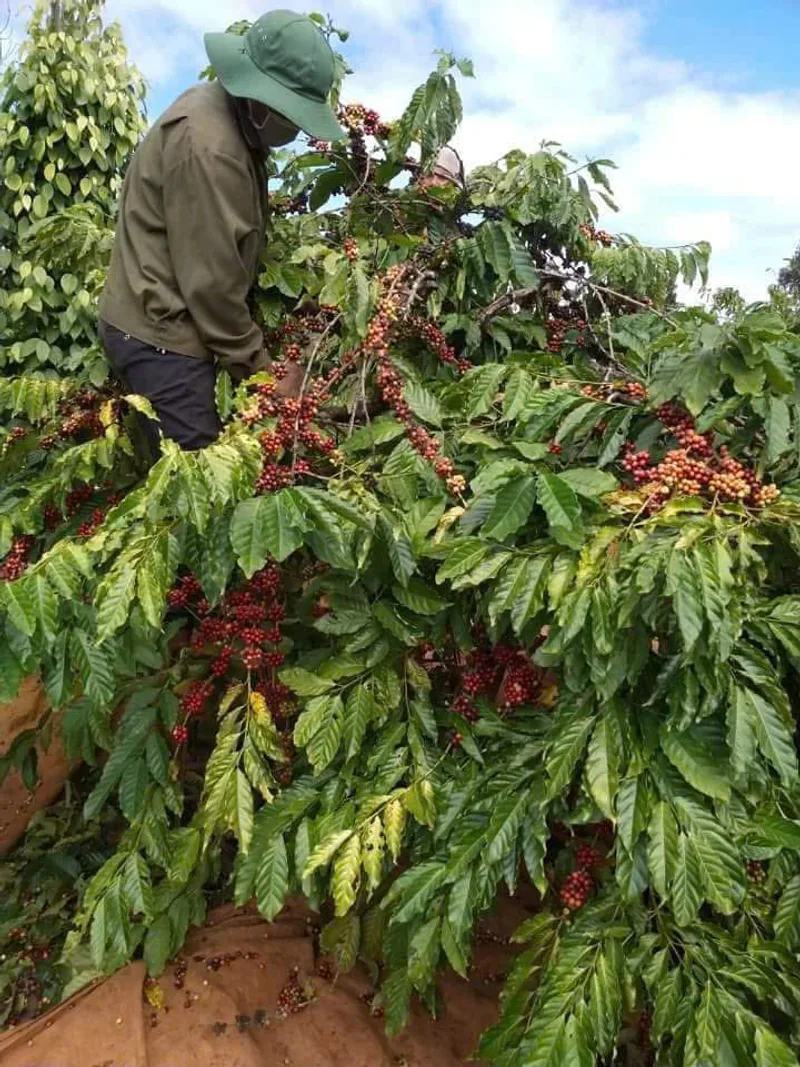
Gia Lai (Gia Lai)
Second-largest volume. Consistent classic Robusta profile at competitive price. Pleiku logistics hub provides good highway access to Quy Nhon port — alternative to Ho Chi Minh City routing.
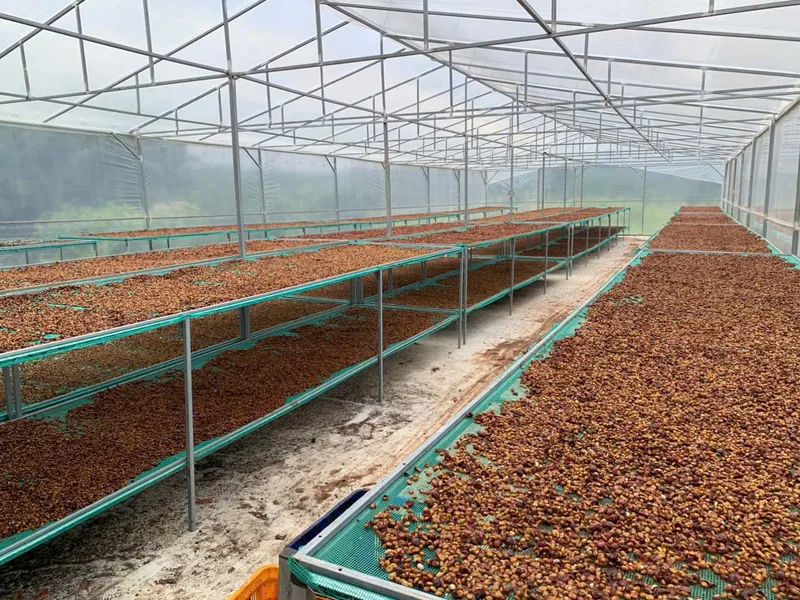
Dak Nong (Đắk Nông)
Fastest-growing region. Younger plantations = higher yields per tree. Pricing typically 1–2% below Dak Lak for comparable grade. Volume scaling rapidly — increasingly attractive for bulk buyers.
Kon Tum (Kon Tum)
Smallest volume — mostly broker-consolidated. Arabica micro-lots show specialty potential with floral and mild-acid profiles. Not suitable for large-volume contracts. Of interest to specialty roasters sourcing differentiated lots.
Other Growing Regions
Vietnam has small Arabica-producing areas in the northern highlands. Volume is minimal and mostly broker-consolidated into micro-lots — not suited for large commercial contracts, but of interest to specialty roasters seeking differentiated origins.
Seasonal Calendar
Vietnam Robusta follows a single annual harvest cycle tied to the Central Highlands monsoon. Understanding the calendar helps buyers time contracts, anticipate basis movements, and avoid lean-supply windows.
Lock new-crop before harvest uncertainty enters market. Differentials typically tighest pre-season.
Post-harvest supply is fullest. Widest grade selection, fastest shipment lead times.
Old-crop depletes. ICE London basis can widen 5–15%. Plan inventory accordingly or forward buy.
Ports, Routing & Lead Times
Vietnam exports coffee through three main ports. Which port your cargo ships from depends on the origin province — this affects trucking cost, transit time, and available shipping lines.
Province → Port Routing
| Province | Preferred Port | Road Distance | Trucking Time | Notes |
|---|---|---|---|---|
| Dak Lak | Quy Nhon or HCM City | ~200 km / ~350 km | ~5 hrs / ~7 hrs | Quy Nhon cheaper for Central Highlands; HCM for more shipping line choice |
| Lam Dong | HCM City (Cat Lai) | ~200 km | ~4–5 hrs | Closest major port from Dalat/Bao Loc growing areas |
| Gia Lai | Quy Nhon | ~200 km | ~4–5 hrs | National Road 19 direct route; Quy Nhon natural gateway for Gia Lai cargo |
| Dak Nong | HCM City (Cat Lai) | ~200 km | ~4–5 hrs | Often consolidated with Dak Lak shipments |
| Kon Tum | Quy Nhon or Da Nang | ~200 km / ~280 km | ~5 hrs / ~6 hrs | Low volume — usually broker-consolidated before export |
Main Export Ports
- • Vietnam's largest port — ~80% of national container volume
- • 100+ weekly services to all major destinations
- • All major shipping lines (MSC, Maersk, CMA CGM, COSCO, etc.)
- • Higher port charges; sometimes congested Oct–Jan
- • Best choice for EU-bound cargo needing direct service
- • Natural gateway for Central Highlands (Dak Lak, Gia Lai)
- • Lower port charges than HCM City
- • Fewer direct services — transhipment via Singapore/Hong Kong common
- • Adds 3–5 transit days vs direct HCM City service
- • Good for Asia-Pacific buyers (Korea, Japan, China)
- • Serves northern Central Highlands and Kon Tum
- • Growing capacity and infrastructure investment
- • Less congested than HCM City
- • Mostly feeder services; transhipment required for long-haul
- • Less commonly used for coffee exports than HCM / Quy Nhon
Estimated Transit Times (FOB to Destination)
| Destination Port | From HCM City | From Quy Nhon | Notes |
|---|---|---|---|
| Rotterdam | 25–30 days | 28–35 days | Direct service available from HCM; Quy Nhon via Singapore/Port Klang |
| Hamburg | 27–32 days | 30–37 days | Similar routing to Rotterdam |
| Qingdao | 12–15 days | 10–13 days | Quy Nhon slightly faster for North China ports |
| Shanghai | 10–12 days | 10–12 days | High frequency from both ports |
| Busan | 10–12 days | 9–11 days | Direct services available |
| Tokyo / Yokohama | 12–14 days | 12–14 days | |
| Dubai (Jebel Ali) | 18–22 days | 18–22 days | Via Singapore or Sri Lanka |
| Los Angeles | 18–22 days | 20–24 days | Transpacific direct from HCM City |
Transit times are estimates for standard FCL shipments. Port congestion, vessel schedules, and transhipment routing affect actual times. Confirm with freight forwarder at time of booking.
The Buying Process: Sample to Bill of Lading
For buyers new to sourcing from Vietnam, here is a typical end-to-end timeline from first contact to shipment documentation. Total time from contract signing to FOB-ready is usually 2–4 weeks.
Sample Request
Day 0–2Request 1–2 kg sample specifying grade (G1 S18 CS, G1 S16, etc.) and destination port. GreenTech ships sample within 1–2 business days via DHL/FedEx.
Sample Evaluation
~1–2 weeksBuyer conducts cup evaluation, moisture check, screen retention test, defect count. This stage is on buyer's timeline. GreenTech can provide COA (Certificate of Analysis) alongside the sample.
Price Negotiation & Contract
3–7 daysPrice agreed as ICE London differential (e.g. ICE +$120/mt FOB Quy Nhon). Contract signed specifying: grade, quantity, moisture, screen retention, packaging (jute/GrainPro), payment terms (LC or TT), and loading port.
Pre-Shipment Preparation
1–2 weeksGreenTech prepares the cargo: processing to spec, quality control, bagging, and securing required export documentation. This is typically the longest step.
Container Loading & Sealing
1–2 daysCargo loaded into 20ft or 40ft container (max ~24 mt and ~24 mt respectively for coffee in jute bags). Container sealed and delivered to port terminal. Buyer can nominate a third-party inspector (SGS, Cotecna) at this stage.
Vessel Booking & Bill of Lading
3–5 days after loadingCargo loaded onto vessel. Shipping line issues original Bill of Lading (OBL) or telex release. All shipping documents sent to buyer/bank for LC negotiation or TT release.
Add transit time from the table above to estimate arrival at your port. Rush orders (1–2 weeks) possible if cargo is pre-processed — ask GreenTech at time of inquiry.
Ready to Source from the Highlands?
GreenTech is based in Lam Dong Province — the high-altitude origin. We export G1 and G2 Robusta grades direct from the Central Highlands with full EUDR traceability and ISO-certified processing.