Vietnam Origin Report

Specialty Coffee
in Vietnam

Beyond the world’s best-known Robusta supply chain is a younger, more deliberate coffee culture: highland Arabica, Fine Robusta, experimental processing, and producers learning to sell identity instead of anonymity.

The old shorthand

Vietnam equals commodity Robusta.

The emerging reality

Quality is becoming lot-specific.

The importer opportunity

Find distinction before it becomes obvious.

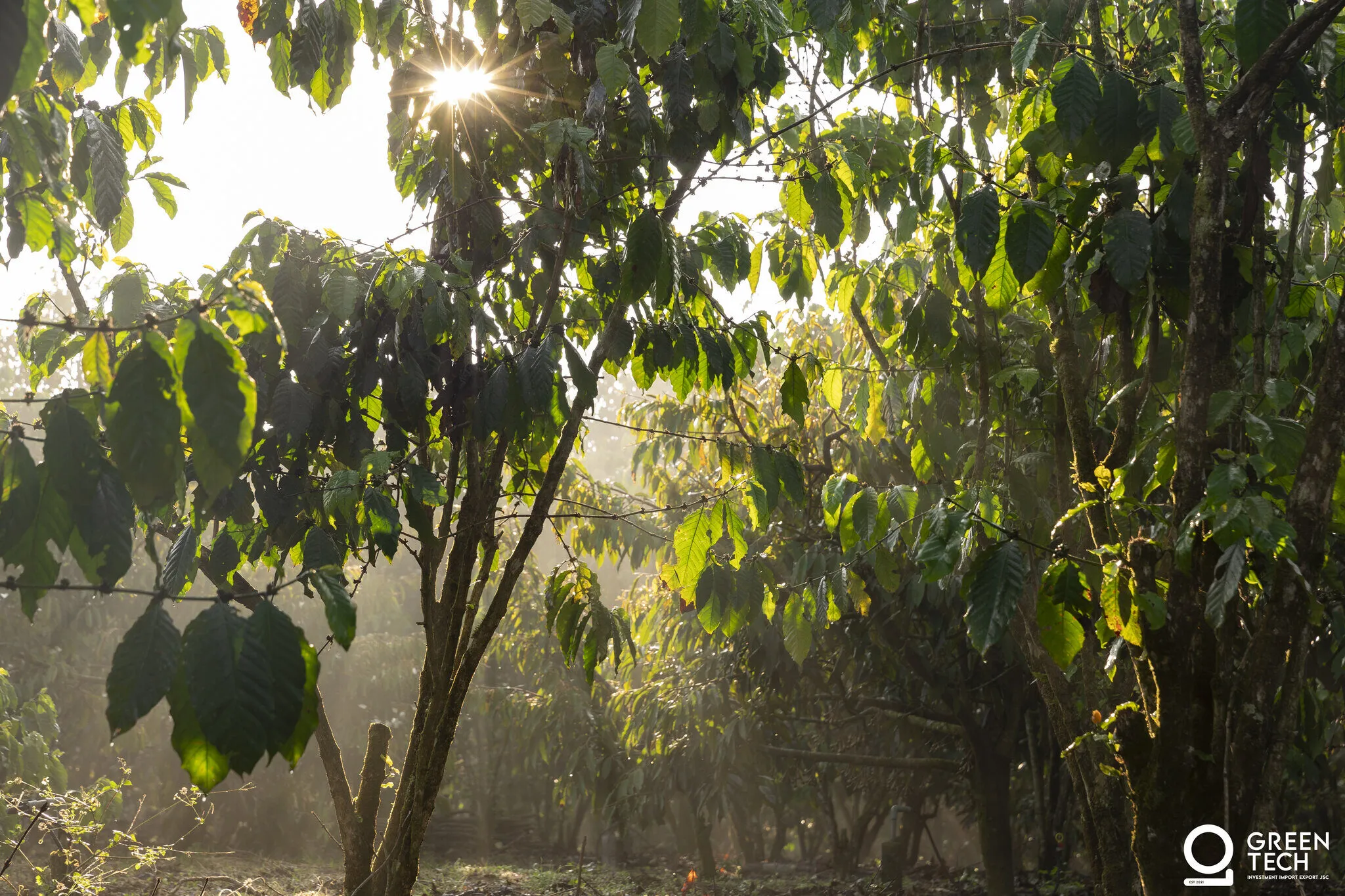
Morning light through coffee trees on a Vietnamese farm

Specialty is not a species. It is a chain of decisions.

A Different Mental Map

Vietnam’s specialty future has two roots.

One root is familiar to specialty buyers: Arabica grown in cooler mountains, separated by origin and processed for clarity. The other is more disruptive: Robusta treated as a flavor-bearing agricultural product rather than an anonymous source of caffeine and body.

These stories should not be forced into the same cup. Vietnam’s Arabica can compete through brightness, aroma, and highland identity. Fine Robusta can compete through sweetness, texture, low acidity, distinctive processing, and a flavor structure that works naturally in espresso, phin, milk drinks, and premium soluble products.

For importers, the question is not whether Vietnam “has specialty coffee.” It does. The useful question is which producers can turn a remarkable sample into a traceable, repeatable, shipment-ready lot.

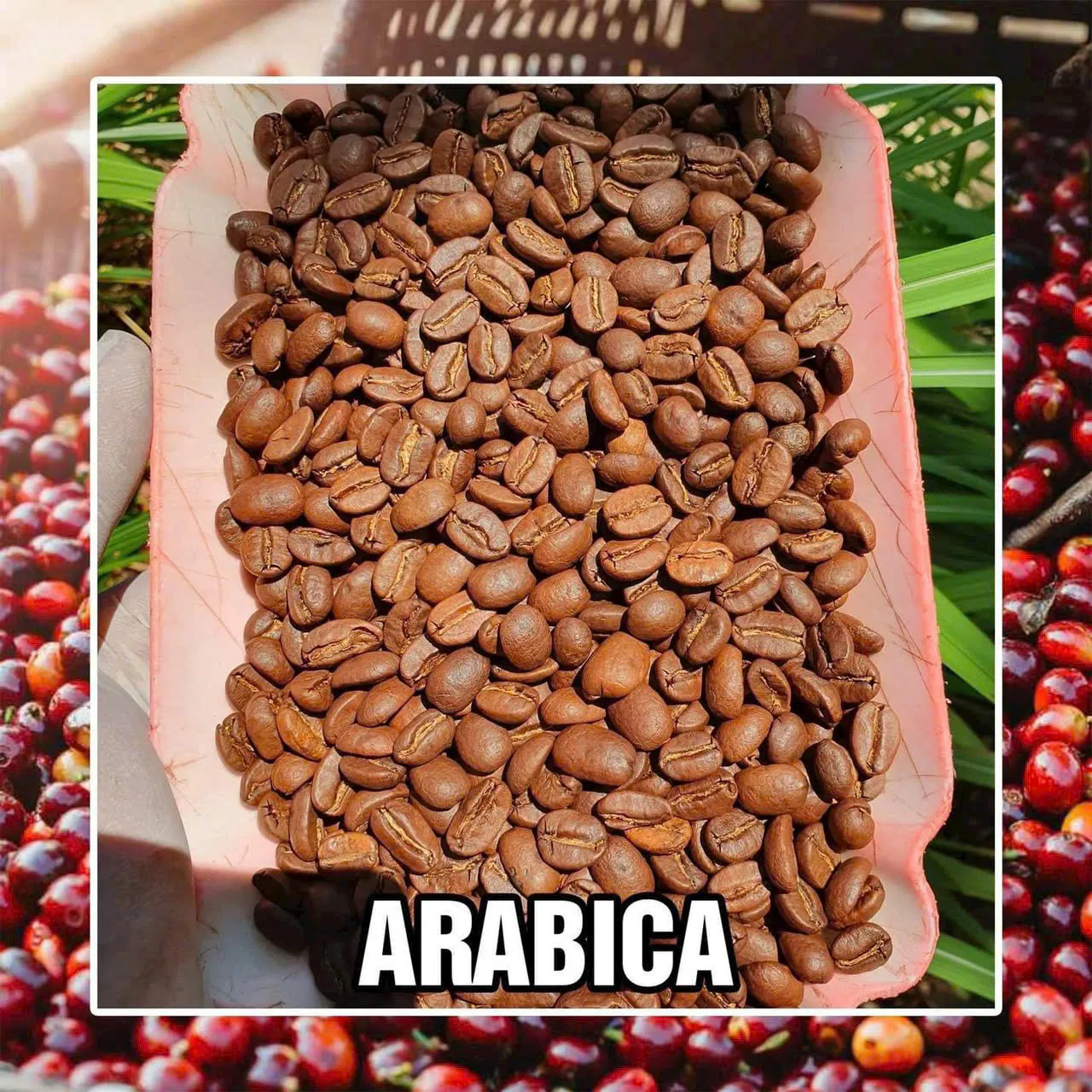
Vietnamese Arabica green coffee beans

The Highland Story

Arabica

Grown in cooler landscapes such as Da Lat, Son La, and smaller central highland pockets. The strongest lots make their case through clean acidity, fragrance, sweetness, and transparent origin character.

Look for: Catimor and other locally planted selections, washed and honey processing, smallholder lot separation, and careful parchment handling.

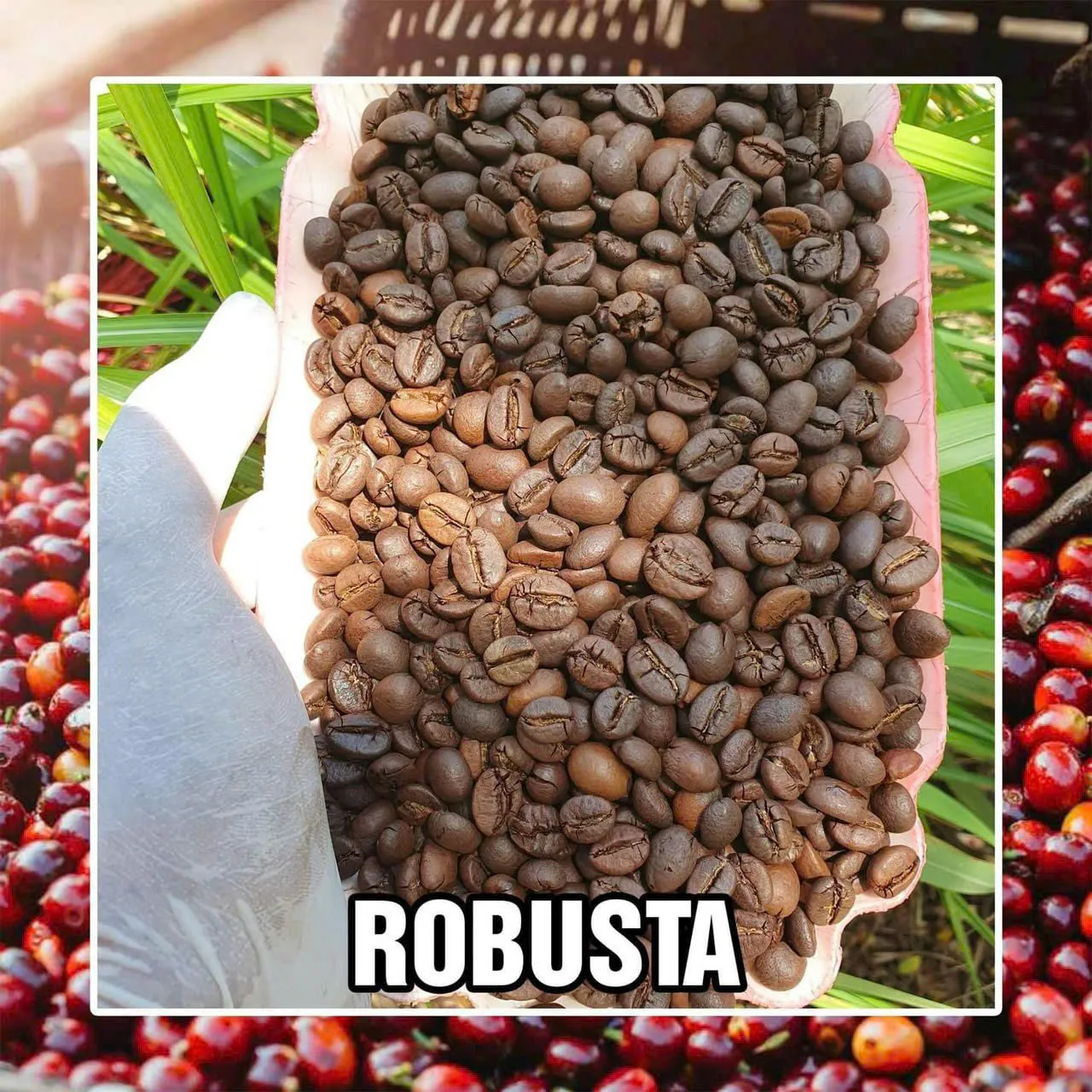
Vietnamese Robusta green coffee beans

The Reinvention Story

Fine Robusta

Vietnam’s most ownable specialty proposition. Better cherry selection and controlled natural, honey, washed, or fermentation-led processing can reveal sweetness and complexity hidden by conventional handling.

Look for: ripe-cherry protocols, clean drying, low defect counts, transparent fermentation, dense mouthfeel, restrained bitterness, and repeatable post-harvest control.

Field Notes

Four places to begin the search

Vietnam’s origin language is still developing. Region names are useful orientation, but specialty buying should move quickly from geography to the actual producer, lot, and process.

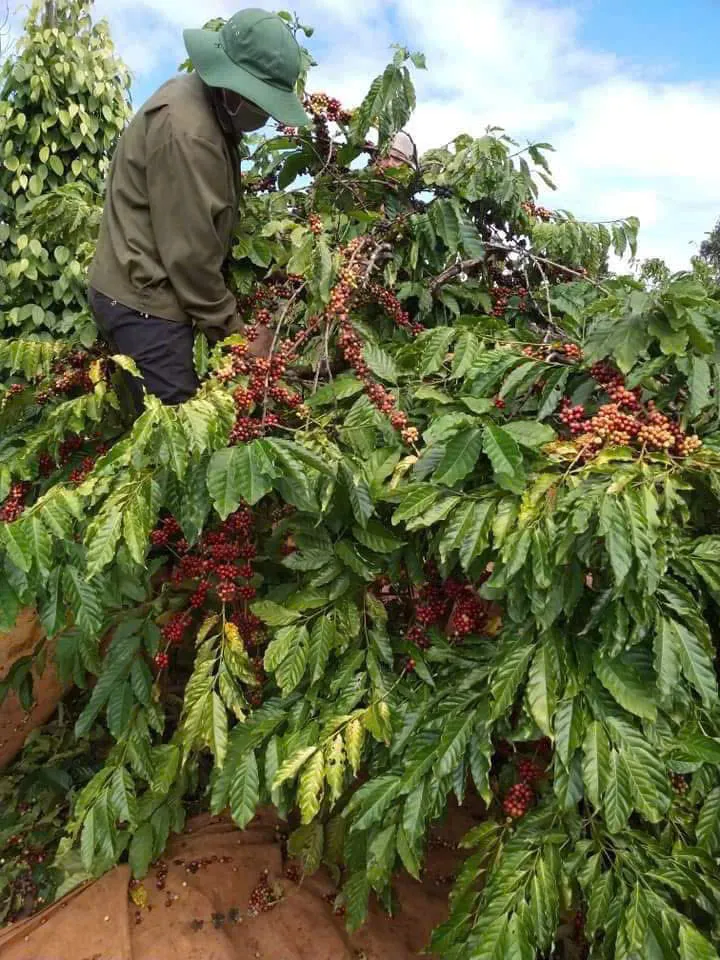
Coffee farmer harvesting ripe cherries in Vietnam
01

Da Lat & Lam Dong

Arabica and specialty Robusta

Cool highlands, volcanic soils, pronounced wet and dry seasons

Cup direction

Arabica can show citrus, florals, stone fruit, caramel, and tea-like structure. Carefully processed Robusta can bring cacao, spice, ripe fruit, and dense sweetness.

Buyer note

The best-known specialty destination, but “Da Lat” on a label is not enough. Confirm farm or commune, elevation, variety, harvest date, and lot separation.

02

Son La & the Northwest

Primarily Arabica

Mountain valleys, cooler winters, steep smallholder farms

Cup direction

Often bright and approachable, with citrus, red fruit, sugarcane, nuts, and a clean medium body when cherry selection and drying are controlled.

Buyer note

A strong origin for washed Arabica programs. Ask how parchment is collected, dried, stored, and consolidated across small farms.

03

Quang Tri & central uplands

Arabica with emerging specialty projects

Humid central climate, distinctive local terroirs, smaller production base

Cup direction

Profiles vary, but selected lots can be aromatic, gently acidic, sweet, and more delicate than Vietnam’s traditional commercial image suggests.

Buyer note

Volumes may be limited. Treat these as relationship-driven lots and establish realistic repeatability expectations.

04

Dak Lak & the Central Highlands

Robusta heartland

Large coffee economy, basaltic soils, established milling infrastructure

Cup direction

Fine Robusta programs can move beyond bitterness into chocolate, molasses, dried fruit, spice, creamy body, and a long finish.

Buyer note

The opportunity is scale plus differentiation, but only when ripe picking, defect control, fermentation, drying, and storage are documented.

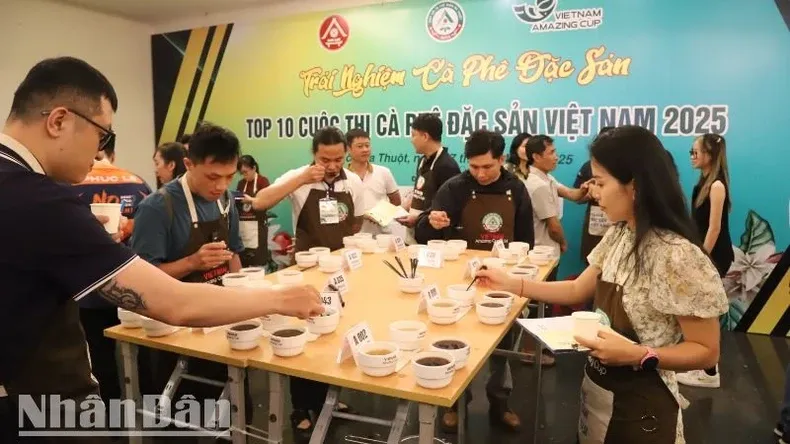
Judges cup coffees at the 2025 Vietnam Specialty Coffee Competition
Cupping at the 2025 Vietnam Specialty Coffee Competition. Photo: Nhan Dan, republished by Vietnam.vn.
Competition dispatch

A Market Learning in Public

Competitions are changing what “Vietnamese coffee” can mean.

National competitions such as the Vietnam Amazing Cup create more than winners. They give producers a feedback loop, expose buyers to named lots, and make processing and sensory language visible across the supply chain.

The 2025 competition reported separate Arabica and Robusta participation, a useful signal that the country is not treating specialty as an Arabica-only category. Competition lots are not automatically scalable commercial offers, but they reveal where producer capability and ambition are concentrating.

Read the 2025 competition report

Beyond the Score

What makes a Vietnamese coffee specialty?

“80 points or higher” is still common trade shorthand. It is not a complete purchasing system. The strongest specialty offer combines sensory distinction with identity, process control, and commercial integrity.

01

A lot has an identity

Origin, producer or producer group, species, variety, harvest, processing protocol, and lot size are known. “Vietnam coffee” is a country description, not a specialty specification.

02

Quality was designed upstream

Selective harvesting, flotation, fermentation control, clean drying, moisture management, and protected storage create quality before the coffee reaches a cupping table.

03

The cup is distinctive and clean

Specialty buyers look for positive attributes, balance, and freedom from disqualifying defects. An 80-point score remains useful trade shorthand, but should not replace a complete physical and sensory evaluation.

04

The offer can survive a contract

A beautiful sample matters only if the shipment matches it. Representative sampling, retained controls, lot isolation, packaging, logistics, and clear tolerances make specialty coffee commercially real.

Importer Playbook

Buy the lot, not the story.

Origin stories create interest. Specifications protect the purchase. Use the producer narrative to find promising coffee, then translate it into evidence that can travel through a contract and shipment.

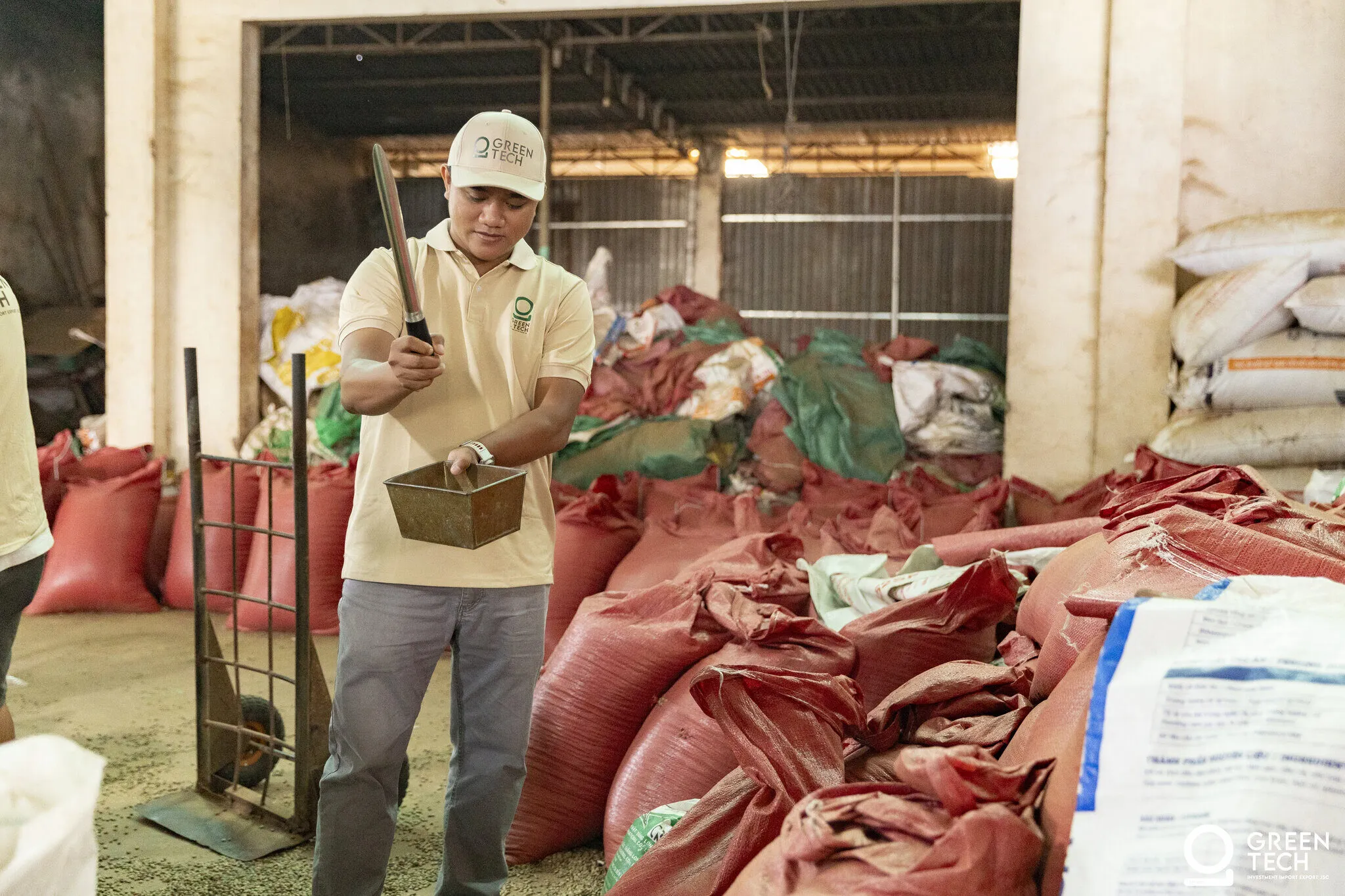
GreenTech quality staff drawing a representative green coffee sample
01

Identity

Farm, commune, producer group, elevation, species, variety, harvest window, and exact lot size.

02

Process

Cherry selection, fermentation conditions, drying surface, drying duration, final moisture, and water activity.

03

Evidence

Green grading, roast and cupping protocol, sensory report, pre-shipment sample, and retained control sample.

04

Repeatability

Whether this is a one-off competition lot, a seasonal micro-lot, or a profile that can be reproduced at useful volume.

05

Commercials

Price basis, Incoterm, packaging, minimum order, crop year, shipment window, and claims permitted on the buyer’s label.

06

Relationship

Who controls the process, who receives the premium, and whether the exporter can maintain traceability through consolidation.

Common Questions

Questions importers ask first

01

Does Vietnam produce specialty coffee?

Yes. Vietnam produces specialty Arabica and increasingly recognized Fine Robusta, alongside its much larger commercial coffee sector. Quality depends on the individual lot, producer practices, processing control, storage, and cup result rather than origin reputation alone.

02

Is specialty coffee in Vietnam only Arabica?

No. Arabica from highland areas is an important part of the sector, but carefully harvested and processed Robusta is one of Vietnam’s most distinctive specialty opportunities.

03

Is an 80-point score enough to approve a specialty lot?

No. A score is useful shorthand, but import approval should also consider physical quality, defect profile, sensory descriptors, sample representativeness, traceability, lot consistency, moisture, water activity, packaging, and commercial repeatability.

Source with Evidence

Looking for a Vietnam specialty coffee program?

Tell us the species, cup direction, processing style, volume, price position, and market application. We can help turn the brief into a sample and specification plan.

Discuss Your Coffee Brief