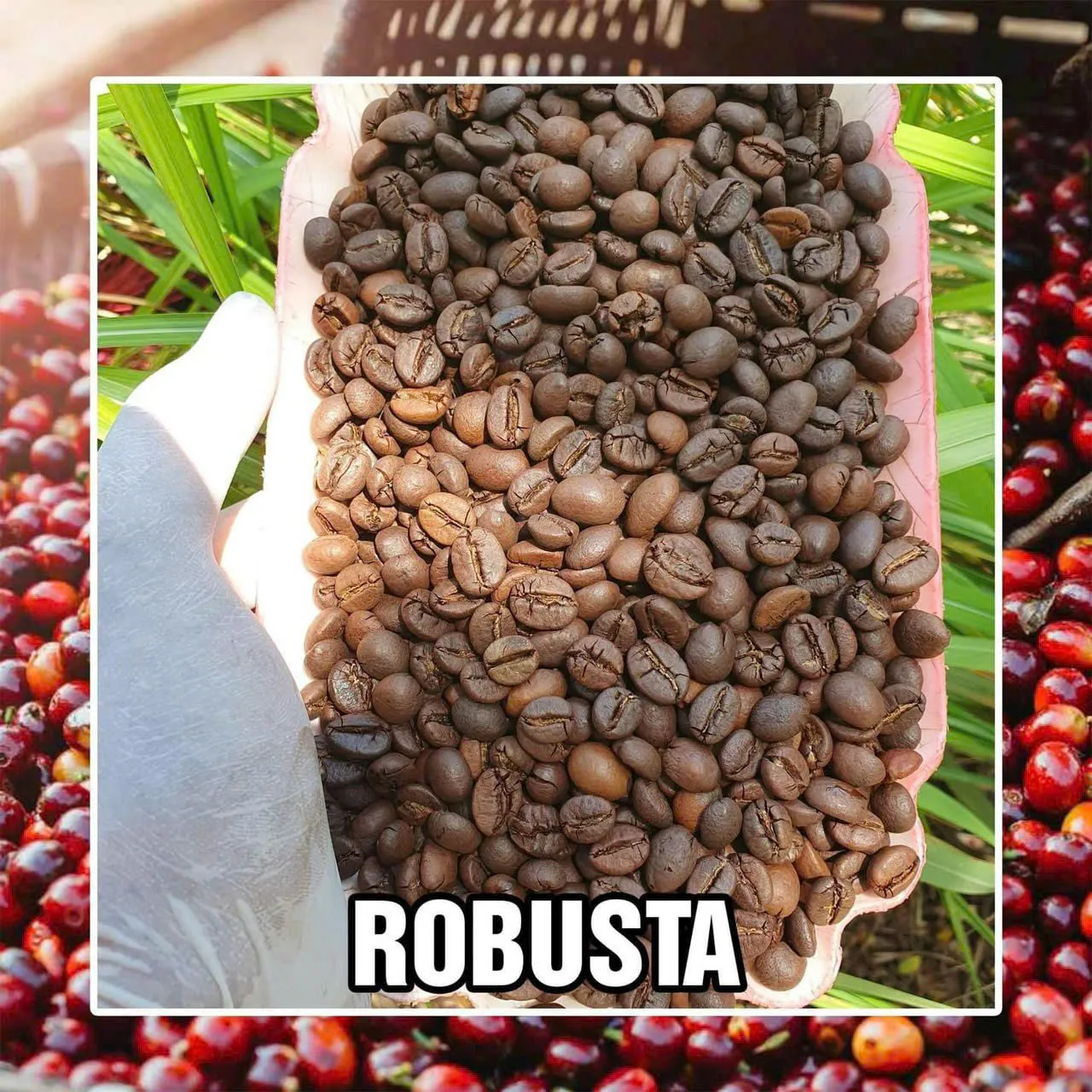
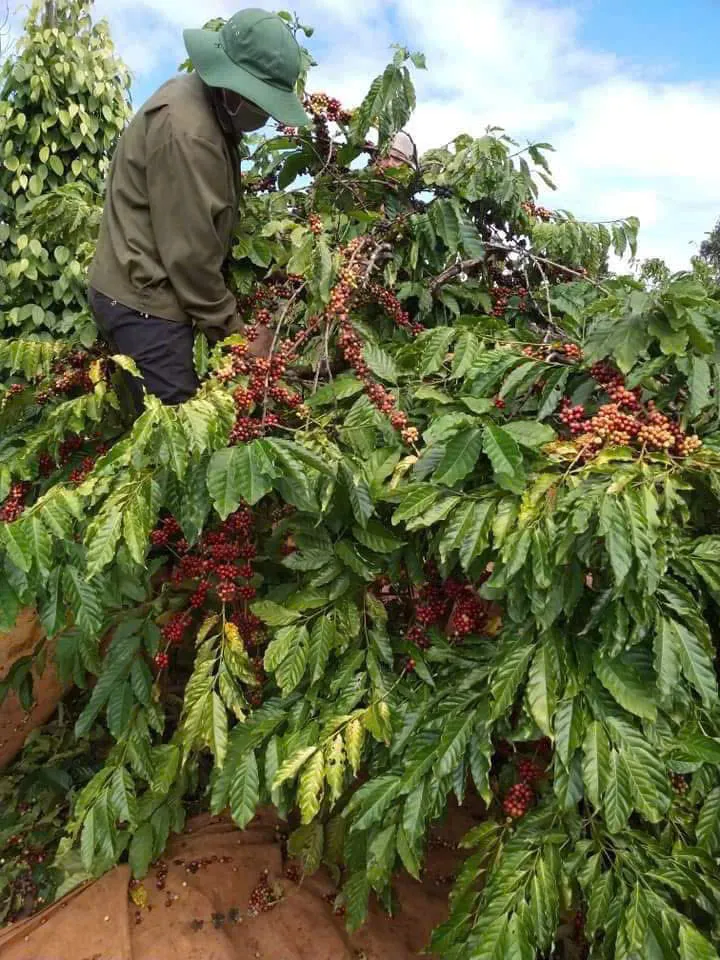
Germany
Commercial use
Large-volume green coffee, certified programs, espresso blends and soluble coffee.
Vietnam supplied 182,000 tonnes of Germany’s directly imported Robusta in 2024, according to CBI’s analysis of Eurostat data.
Importer Intelligence · June 2026
Vietnam is not simply a low-cost origin. It is the center of gravity for global Robusta: essential to espresso, soluble coffee and increasingly differentiated quality programs. This report translates the market headlines into sourcing decisions.
#2
Global coffee export rank
2022–2024 mean, WCR citing ICO
>40%
Share of global Robusta output
World Coffee Research
$5.62B
2024 export value
Previous annual record, Vietnam MAE
$6B
Jan–Jul 2025 export value
1.1 million tonnes, Vietnam MAE
The Market in One Sentence
The country’s strategic importance comes from Robusta volume, established milling and export infrastructure, and a crop calendar that brings new coffee to market from late in the calendar year.
But “Vietnam Robusta” can describe very different products: commercial natural coffee, wet-polished grades, certified supply, clean espresso components, Fine Robusta, soluble coffee and finished consumer products.
The market opportunity is therefore not just access to Vietnam. It is the ability to identify which Vietnamese supply chain matches the application, then control that match through sampling, specification and traceability.
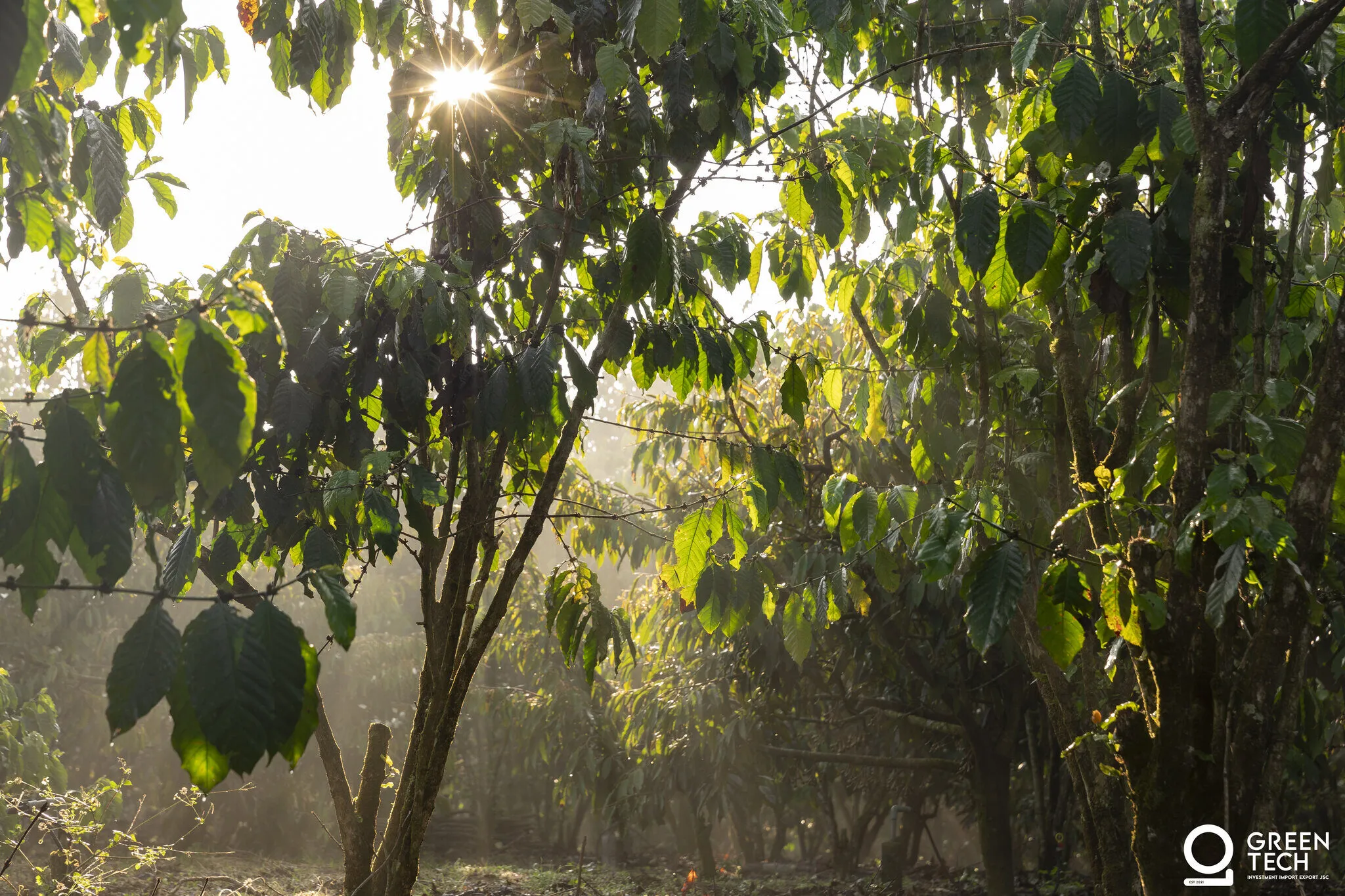
Robusta moved from quiet blend component to strategic supply.
Demand Map
Country rankings shift with prices, crop size and shipment timing. The more durable insight is each market’s role: roasting hub, espresso culture, convenience-coffee base, or emerging premium destination.
Commercial use
Large-volume green coffee, certified programs, espresso blends and soluble coffee.
Vietnam supplied 182,000 tonnes of Germany’s directly imported Robusta in 2024, according to CBI’s analysis of Eurostat data.
Commercial use
Espresso blends that need body, crema, intensity and price control.
Robusta represented 39% of Italy’s direct green-coffee imports in 2024; Vietnam was its largest Robusta origin.
Commercial use
Espresso, industrial roasting, logistics, warehousing and onward distribution.
Spain was Europe’s third-largest direct Robusta importer in 2024, while Belgium remains an important trade gateway.
Commercial use
Mainstream blends, soluble products, cold coffee and a growing specialty-Robusta niche.
The opportunity is not one segment: buyers range from cost-led industrial users to roasters seeking traceable Fine Robusta.
Commercial use
Instant coffee, ready-to-drink formats, canned coffee and balanced commercial blends.
Consistency, clean processing, documentation and dependable repeat orders can matter as much as origin storytelling.
Commercial use
Espresso, iced coffee, soluble products, private label and certified offers.
Treat the region as several different markets. Product format, certification, language and route to market vary by country.
Origin Decision
The right comparison begins with product function, not a national ranking. Each origin can be the strongest choice under a different brief.
Strongest fit
Robusta scale, early crop availability, espresso and soluble applications
Buyer caution
Quality ranges widely; buyers must define grade, process, cup and traceability rather than purchase on origin alone.
Strongest fit
Arabica scale, natural-process profiles and diversified Arabica/Conilon programs
Buyer caution
A better fit when Arabica volume or Brazilian flavor profiles are central to the brief.
Strongest fit
Distinctive regional profiles, wet-hulled Arabica and selected Robusta offers
Buyer caution
Useful for differentiated flavor, but generally not a substitute for Vietnam’s Robusta scale.
2026 Watchlist
Export value can rise because of volume, price or both. Importers need to separate market momentum from lot-level performance and contract risk.
Vietnam’s export value surged as global prices rose. A higher market price does not automatically mean every shipment has improved physical or cup quality.
Drought, irregular rain and heat can change bean size, density, defects, moisture, yield and the timing of farmer selling.
Traceability, geolocation, residue control and destination-specific documentation increasingly affect whether a coffee is usable, not merely whether it is certified.
Demand is separating into commercial grades, clean conventional lots, certified coffee and Fine Robusta. One generic “Vietnam Robusta” price is not enough.
Soluble, extracts, concentrates and ready-to-drink products involve different specifications, factories, tariffs and quality systems from green coffee.
Importer Playbook
A country thesis can justify investigation. Only a defined application, approval method and supply plan can justify a contract.
Is the coffee for espresso, soluble, filter, capsules, cold brew, ready-to-drink or a branded single origin?
What screen, defect tolerance, moisture, density, crop year and preparation are required?
What intensity, bitterness, body, crema, acidity and off-flavor limits define approval?
Natural, washed, honey, wet polished or another protocol? What must be disclosed or prohibited?
Which pre-shipment sample, retained sample, certificate of analysis and inspection method control the contract?
What monthly volume is realistic, when does the crop enter warehouses, and how will replacement lots be approved?
Which traceability, pesticide, food-safety, sustainability and deforestation requirements apply at destination?
Is pricing fixed, differential-based, formula-based or periodically reset? Which quality changes allow renegotiation?
Research Desk
This report was prepared on June 11, 2026. Trade values, crop estimates, freight, regulation and destination rankings can change quickly.
2024 export record, January–July 2025 export performance, average price and destination growth.
Production structure, global position, smallholder context and climate-resilient breeding work.
European Robusta demand, 2024 import volumes and country-level sourcing patterns.
Crop, production, consumption and trade context. Check the newest annual report before contracting.
Monthly market reports, composite prices and current global supply-demand context.
Common Questions
01
Vietnam is the world’s largest Robusta producer and accounts for more than 40% of global Robusta output, according to World Coffee Research. That scale makes its crop important to espresso, soluble coffee and commercial blend pricing worldwide.
02
That description is increasingly inaccurate. Robusta and Arabica serve different product and sensory needs, and Vietnam’s prices rose sharply during the 2024–2025 market. Buyers should compare total product performance, not assume Vietnam is automatically the cheapest origin.
03
Europe remains central, particularly Germany, Italy and Spain for green Robusta. The United States, Japan, South Korea and other Asian markets are also important, while newer opportunities are developing in the Middle East and Latin America.
04
Choose by application. Vietnam is especially strong when the brief requires Robusta scale, body, caffeine, crema or soluble performance. Brazil may be stronger for large Arabica programs, while Indonesia may fit buyers seeking specific regional or wet-hulled profiles.
From Market to Lot
GreenTech can translate roast, cup, grade, certification and shipment requirements into a Vietnam sourcing brief.
Discuss Your ProgramChat with us