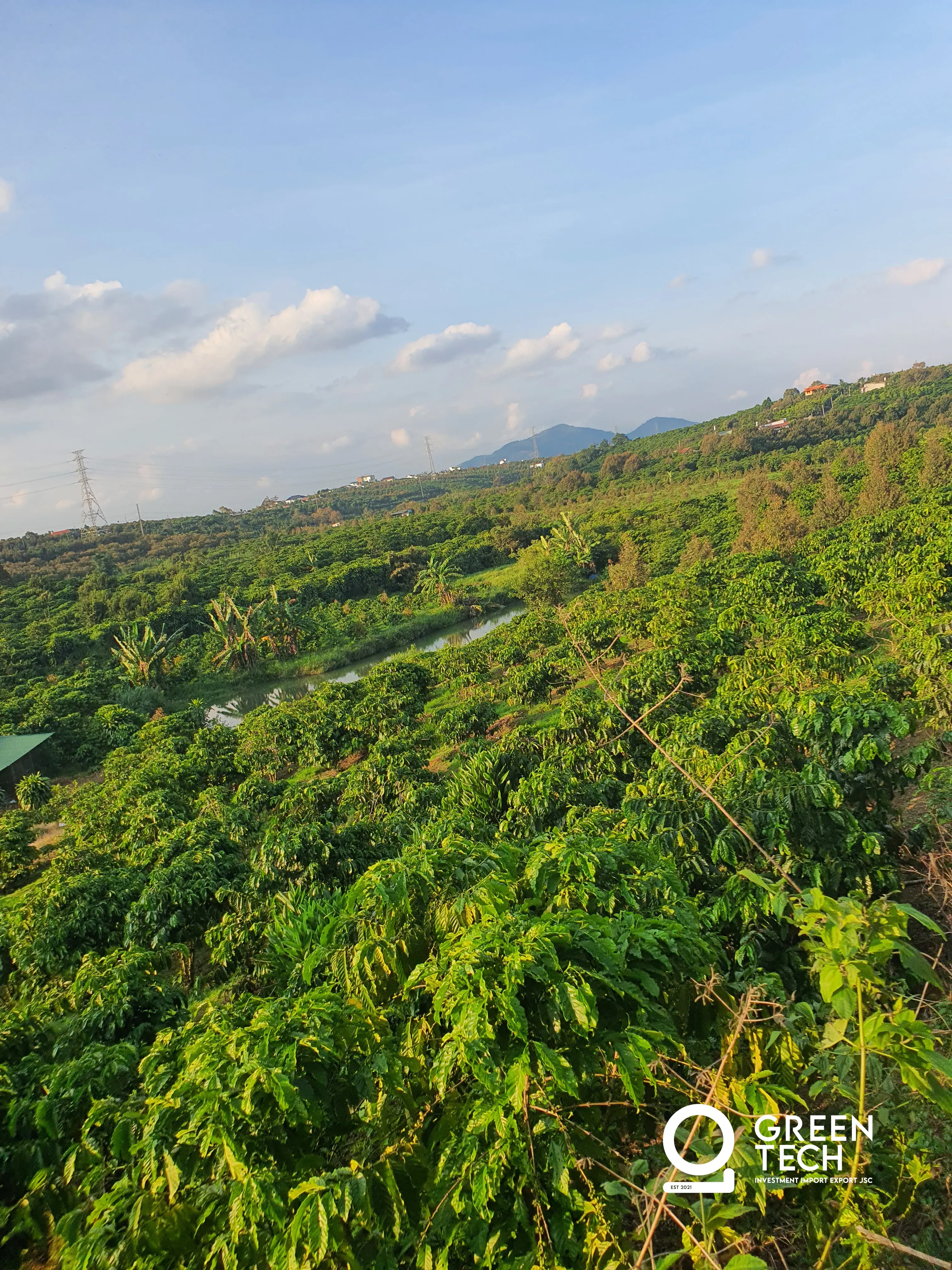
Central Highlands trade note | Updated June 27, 2026

El Nino 2026: Vietnam coffee and pepper trading risk

A dry highland season does not only reduce crop confidence. It changes the exportable grade mix, treatment capacity, basis, replacement supply and claim language that protects a trading book.

10%

2015-2016 coffee yield decline

Research benchmark for Vietnam Robusta drought sensitivity.

30-60%

Central river-flow reduction

Warm-phase river flows can fall sharply in central and highland regions.

500-580 g/L

Pepper density trade range

Density is useful, but not a complete quality or safety spec.

3 years

Coffee replanting lag

Severe tree loss can remove farmer capital and delay productive recovery.

Risk stack

The same weather signal becomes four different trading problems.

Treat El Nino as a chain: weather signal, farm response, processor bottleneck, contract execution. The margin leak is usually in the handoff between layers.

Layer Coffee Pepper Trader move
Weather signal Dry heat during flowering and cherry fill can reduce screen retention, bean density and uniformity. Moisture stress around flowering and berry set can reduce berry fill and complicate drying. Do not wait for final crop estimates. Reprice risk when rainfall and irrigation signals deteriorate.
Farm response Growers may ration irrigation, prioritize core plots, delay selling, or accept smaller cherry size. Growers may accelerate harvest, dry unevenly, or sell mixed lots to protect cash flow. Ask which water source supports the farm or aggregation zone: rainfed, reservoir, groundwater or mixed.
Mill and processor bottleneck Uneven drying increases reprocessing, grading loss, screen downgrades and sample rejection. Moist pepper needs longer drying, more cleaning and tighter microbiological control before shipment. Book mill, grading and treatment capacity. Capacity risk can matter as much as raw supply.
Contract execution The same nominal tonnage may fail screen 18, moisture, defect or cup limits. The same origin offer may fail density, mold, residue, Salmonella or treatment requirements. Define approved tonnage, retained samples, replacement lots, claim timing and inspection method.

Commodity controls

A price is only useful if the approved quality bucket is named.

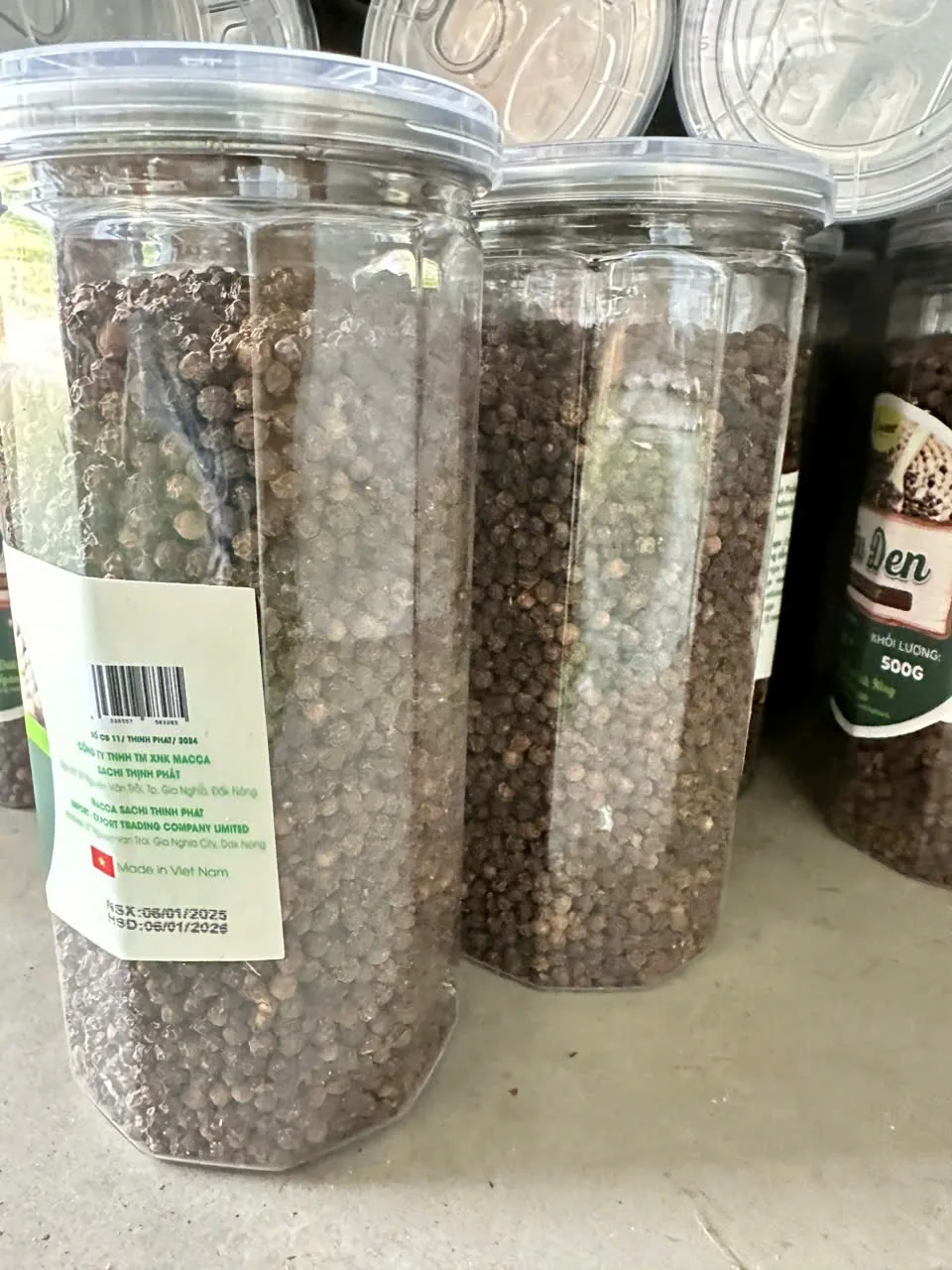
Vietnam black pepper lot used for export quality review

Robusta contract controls

  • Screen and grade

    Screen 18, screen 16, grade 1, grade 2, underscreen rules and maximum broken or black beans.

    Weather stress can shift the lot into a cheaper bucket without changing the commodity name.

  • Moisture and drying

    Moisture limit, drying method, drying records, storage humidity and container protection.

    Irregular rain after dry spells can create uneven drying and condensation risk.

  • Cup and sensory

    Clean cup, earthy/moldy/fermented taints, bitterness target and sample approval protocol.

    A price that ignores cup defects is not a protected forward position.

  • Origin and crop year

    Province, crop year, farm or aggregator scope, carryover allowance and substitution rules.

    Spot replacement can silently change the origin exposure of the contract.

  • Price mechanism

    Fixed price, differential, validity window, ICE reference, basis adjustment and renegotiation trigger.

    Basis can widen before published production numbers are revised.

Pepper contract controls

  • Bulk density

    500, 550, 570 or 580 g/L target, test method and tolerance.

    Density helps price lots, but it does not prove safety, origin or aroma.

  • Moisture and defects

    Moisture limit, light berries, pinheads, foreign matter, moldy berries and insect damage.

    Weather-stressed harvests often create more sorting loss than traders model.

  • Treatment status

    Steam sterilization or other validated process, treatment location and lot segregation.

    A treatment claim is weak without parameters and post-treatment handling evidence.

  • Residue and contaminants

    Destination-specific pesticide panel, aflatoxin, ochratoxin A, PAHs and heavy metals where relevant.

    Stress years can change farm input decisions and testing cost.

  • Packaging and shipment

    Bag, liner, net weight, pallet, container dryness, desiccant and claims sampling method.

    Moisture acceptable at loading can still fail on arrival if shipment protection is weak.

Scenario planning

Three weather paths, three different contract postures.

  • Scenario 1

    Short dry spell, quick recovery

    Coffee: Small basis premium on clean Screen 18 lots, limited downgrade risk.

    Pepper: Slightly higher drying attention, but normal density mix may still clear.

    Response: Keep optional cover and require retained samples before final release.

  • Scenario 2

    Dry flowering and uneven late rain

    Coffee: More size variability, higher defect risk and wider spread between grade 1 and lower grades.

    Pepper: Moisture variance and sorting loss rise, treatment slots become more valuable.

    Response: Split contracts by grade bucket. Do not accept one blended replacement rule.

  • Scenario 3

    Severe drought and irrigation rationing

    Coffee: Screen 18 supply tightens first, farmer selling slows, replacement costs jump.

    Pepper: Density and mold risk become commercial issues, not just QC issues.

    Response: Move from spot-dependent coverage to named-lot coverage with inspection and claims language.

RFQ language

Write the exception before the market needs it.

Weather years punish vague replacement rules. If a supplier can replace Screen 18 with lower screen, fresh stock with carryover, or treated pepper with untreated stock, the quote is not comparable.

  • 1

    State exact Robusta grade, screen, moisture, black/broken limits, crop year and origin scope.

  • 2

    State exact pepper density, moisture, microbiology, residue panel, treatment status and packaging.

  • 3

    Require retained samples for every approved lot, not just the first supplier sample.

  • 4

    Define whether replacement lots can come from another province, crop year or stock age.

  • 5

    Attach inspection method, test method, claim window and who pays for failed replacement testing.

  • 6

    Time-stamp price validity and define what weather or basis movement allows renegotiation.

  • June-July 2026

    Position reset

    Recheck supplier exposure by province, stock age, crop year, and water source.

  • August-September 2026

    Flowering and irrigation watch

    Track Central Highlands rainfall, reservoir stress and early farmer release behavior.

  • October-December 2026

    Coffee harvest and dry-down

    Secure physical lots early, inspect drying and avoid contracts that only state "Vietnam Robusta".

  • January-February 2027

    Pepper pre-harvest and treatment booking

    Reserve cleaning, sterilization and lab capacity before new-crop pressure hits.

  • March-April 2027

    Pepper peak flow

    Compare density, moisture and treatment cost against the original RFQ, not just FOB price.

FAQ

Questions a desk asks before fixing cover.

  • Why combine coffee and pepper in one trading guide?

    They share the Central Highlands climate signal. A dry highland season can tighten Robusta screen availability and pepper drying economics at the same time, even though the specifications are different.

  • What moves first in coffee during an El Nino year?

    Usually the clean higher-grade bucket: Screen 18 availability, moisture, defects and farmer release behavior. Basis can move before national crop estimates are revised.

  • What moves first in black pepper?

    Moisture, density mix, cleaning loss and treatment capacity. Those factors can change the real cost of usable pepper before the headline crop figure changes.

  • What should traders add to contracts?

    Grade, moisture, defect, treatment, retained sample, replacement-lot and claim rules. The contract should define approved tonnage, not just commodity tonnage.

Sources

Use the weather note to tighten the book.

If you need lot-specific availability or forward cover that survives a dry highland season, attach grade, timing and replacement assumptions to the inquiry.

Reference links