Low upstream flow
Less freshwater pushes salinity inland and compresses the safe planting or harvest window.
River levels, salinity bulletins, canal source, irrigation district and supplier province.
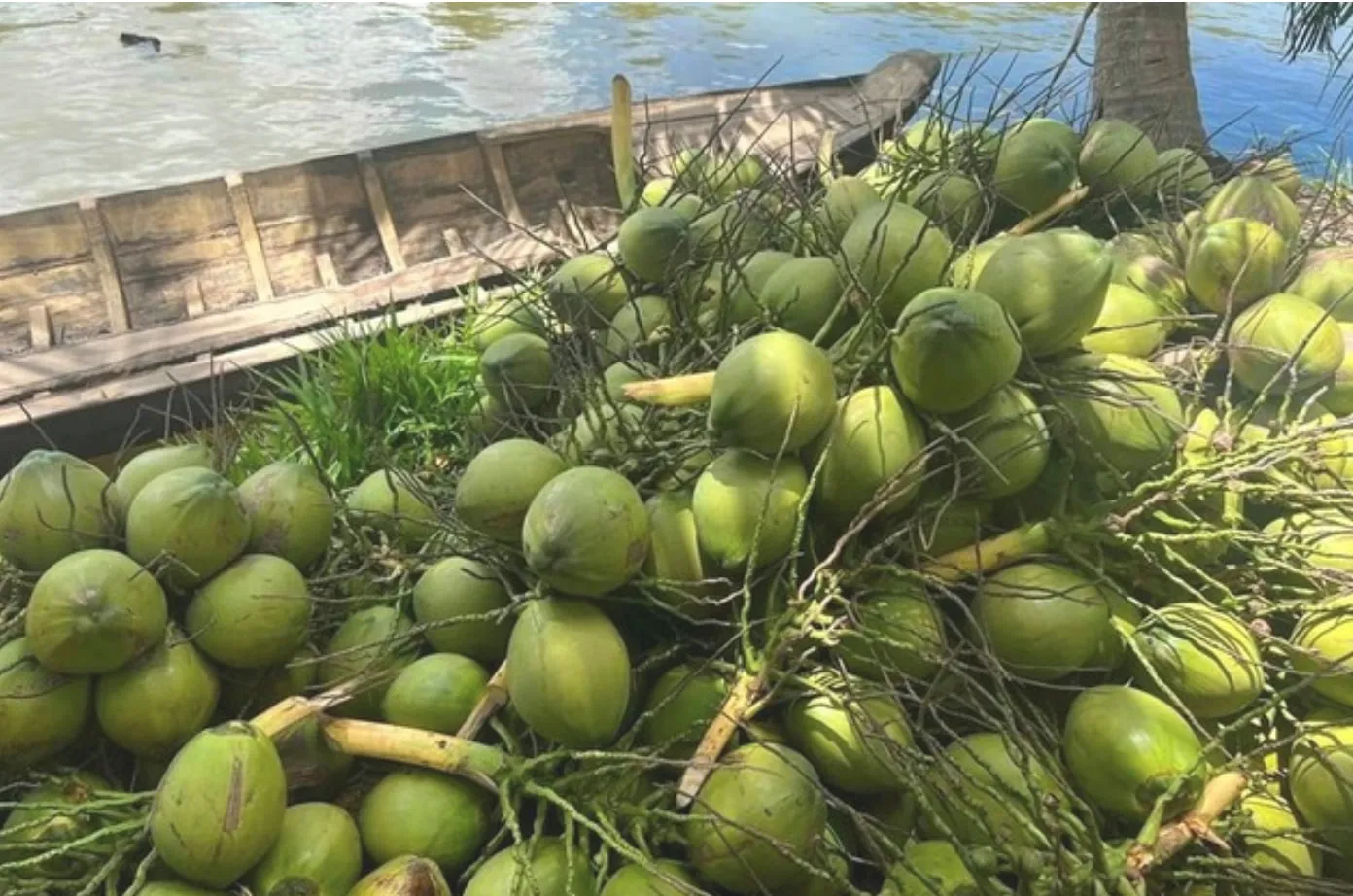
Mekong Delta trade note | Updated June 27, 2026
In the Mekong Delta, El Nino is a water-system problem before it is a commodity headline. Salinity, irrigation timing and raw-material pack-out decide whether a quote becomes executable.
90 km
Peak intrusion benchmark
Saltwater has reached up to 90 km inland during severe dry seasons.
1.1-1.2m MT
Rice loss benchmark
Estimated rice loss in the 2015-2016 El Nino event.
50-70 km
Typical intrusion advance
Average salinity advance from estuaries in exposed dry seasons.
10-20 days
Earlier salinity timing
The 2019-2020 dry season saw intrusion arrive earlier than 2015-2016.
Delta signals
Rice, coconut and fruit inputs all convert water stress into different trade problems. A national crop headline is too slow for contract decisions.
Less freshwater pushes salinity inland and compresses the safe planting or harvest window.
River levels, salinity bulletins, canal source, irrigation district and supplier province.
Rice, coconut and fruit programs can face execution risk before traders expect the normal dry-season peak.
4 g/L salinity boundary, province alerts, supplier harvest timing and raw-material substitution.
Fruit size, juice yield, Brix, acid balance, and shelf-life assumptions become less reliable.
Brix, acidity, dry matter, harvest interval, cold-chain pressure and pack-out ratio.
Drying, sorting and transport plans can be disrupted even in a year defined by drought.
Drying capacity, road access, rejected raw material, container schedule and rebooking risk.
Commodity controls
| Commodity | Exposure | Failure mode | Controls |
|---|---|---|---|
| Rice | Mekong Delta winter-spring crop, salinity-exposed lowland fields and export programs tied to transplanting and flowering windows. | Nominal volume exists but the tradable lot narrows through salinity damage, yield loss, delayed harvest or price spikes. |
|
| Coconut | Ben Tre, Tra Vinh and Tien Giang programs where dry-season water, salinity and harvest interval affect young coconut and processed lines. | Fruit count, juice yield, shelf life or raw-material consistency misses the assumed pack-out ratio. |
|
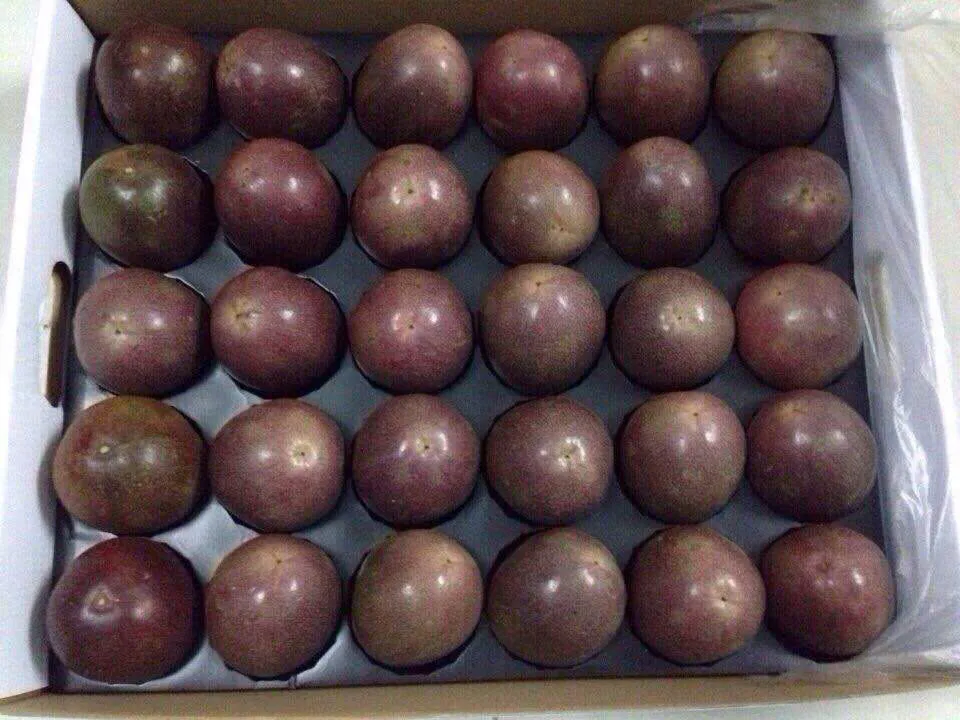
| Passion fruit and tropical fruit inputs | Highland and delta-linked fruit belts supplying fresh, frozen, puree, concentrate, dried and freeze-dried programs. | Fruit is available, but Brix, acidity, size, drying yield, seed ratio or processing cost breaks the quote. |
|
Scenario planning
Scenario 1
Rice: Limited localized damage, normal contract execution if suppliers planted early and monitored canal water.
Coconut and fruit: Fruit quality varies but pack-out remains manageable with sorting and storage control.
Response: Use regular inspection, but confirm province and water source before shipment.
Scenario 2
Rice: Winter-spring crop timing becomes the main risk, with narrower safe harvest windows.
Coconut and fruit: Young coconut, juice yield and fresh-fruit consistency become harder to price.
Response: Pull booking forward and define fallback origin rules before final price fixing.
Scenario 3
Rice: Tradable surplus and replacement availability can tighten together.
Coconut and fruit: Processors compete for usable raw material, raising sorting waste and processing cost.
Response: Move to named-lot cover, shorter validity windows and stricter approval gates.
RFQ language
If the offer only says rice, coconut or fruit, it hides the actual exposure. The RFQ has to surface province, crop window, water source, raw-material form and replacement rules.
Ask whether the lot depends on Mekong Delta water, highland fruit input, or stored processed inventory.
Specify province, crop window, raw-material form and substitution rules.
For rice, define moisture, broken percentage, milling quality, shipment window and replacement origin.
For coconut, define maturity, size, juice yield, packaging barrier, shelf-life basis and cold-chain expectation.
For fruit inputs, define Brix, acidity, seed content, slice size, water activity, additive status and batch records.
Define what happens if salinity, harvest timing or pack-out changes after the offer is accepted.
June-July 2026
List every open position that depends on Mekong Delta water or fruit-input pack-out.
August-September 2026
Track river levels, salinity forecasts, irrigation district updates and reservoir stress.
October-November 2026
Reserve processing and cold-chain capacity before dry-season salinity compounds.
December-February 2027
Recheck rice, coconut and fruit pack-out assumptions against supplier reality.
March-April 2027
Expect tighter replacement options if multiple programs are exposed to the same water system.
Related guides
Cross-commodity desk view for basis, timing and quality risk.
Central Highlands companion page for Robusta and black pepper.
Booking windows for coffee, passion fruit, dried fruit, pepper, coconut and durian.
Product-spec detail for fresh fruit, frozen pulp, puree and concentrate.
FAQ
They are different products, but the trade risk is often the same water system: low river flow, salinity, irrigation pressure and raw-material pack-out.
The province-level planting and salinity calendar. National rice output is too broad to protect a specific shipment window.
Pack-out ratio, fruit size, juice yield, Brix, acidity and shelf-life assumptions. These can move before total fruit availability looks tight.
Use named origin, crop window, raw-material form, quality gates, retained samples and replacement rules. Avoid contracts that only state product name and shipment month.
Sources
If the book depends on Mekong Delta supply, move early on origin checks, fallback lanes, processing capacity and lot-specific approval rules.
Reference links
Reference for ENSO phase framing and advisory status.
Broader buyer-focused version covering coffee, rice, pepper, durian, coconut, passion fruit and dried fruit.
Crop windows and booking windows for Vietnam agricultural exports.
Chat with us