Green coffee spec
Origin, grade, screen size, moisture, defects, processing method, and cup target.
Importer Guide
Vietnam is not one roast profile. Foreign importers will find clean export roasts, traditional butter or oil roasts, very dark phin coffee, specialty Robusta, and Arabica-Robusta blends. The right choice depends on whether you are buying roasted coffee as a finished product or sourcing green coffee for your own roasting program.
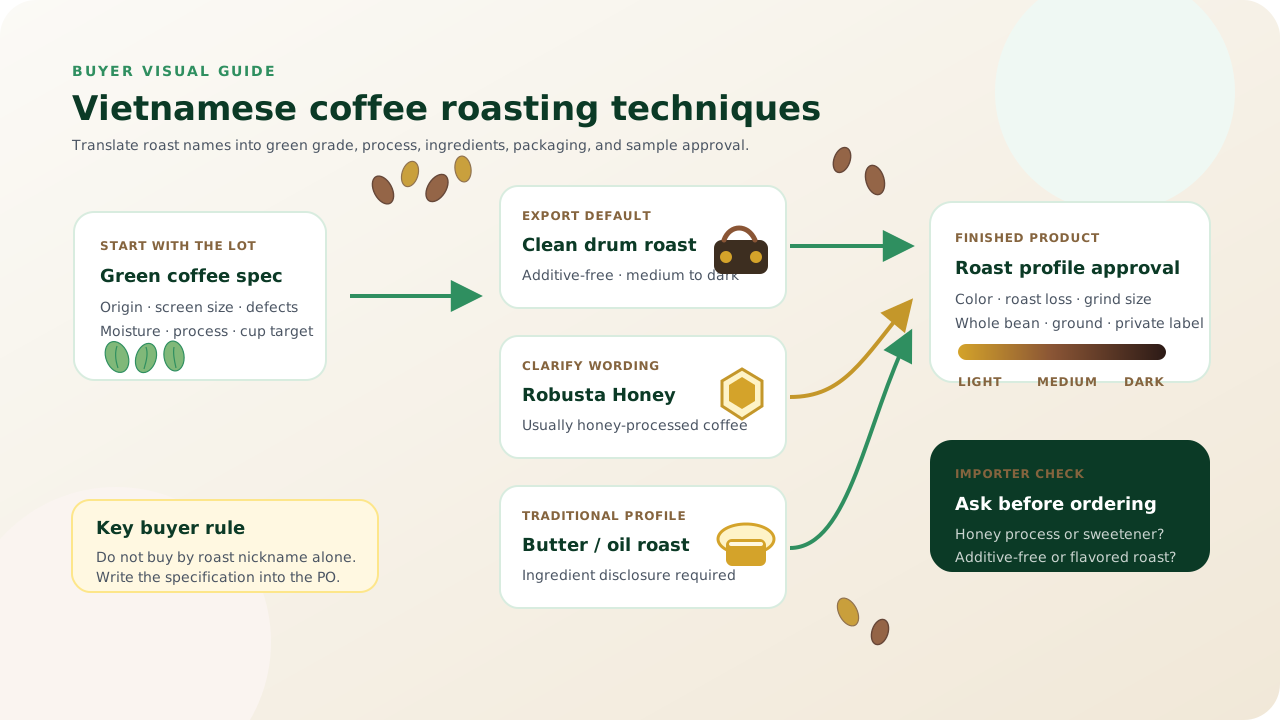
This is the commercial translation step importers usually skip. Start with the green lot, then lock the roast intent, ingredient disclosure, and shipment format before the offer becomes a purchase order.
Origin, grade, screen size, moisture, defects, processing method, and cup target.
Clean drum, honey-processed Robusta, butter/oil roast, dark phin roast, or blend profile.
Additive-free, butter, oil, sugar, cacao, flavoring, salt, or honey/syrup disclosure.
Whole bean, ground, retail bag, bulk carton, valve packaging, roast date, and shelf life.
Importer takeaway
Do not buy by roast nickname alone. Convert every Vietnamese roast term into green grade, roast profile, ingredient status, packaging, and sample approval terms.
Why This Matters
Vietnam is the world's most important Robusta origin, and the export market is no longer limited to green beans. USDA reporting for Vietnam has pointed to growth in roasted and soluble coffee exports, while VICOFA-reported crop-year data shows Vietnam coffee export value reaching record levels in 2024-2025. For importers, this creates a wider choice: buy green Robusta and roast locally, import Vietnam-roasted coffee as a finished product, or develop an OEM private-label line with a Vietnamese roaster.
The opportunity is real, but the vocabulary is often imprecise. A supplier may call coffee "traditional" because it is dark, because it is intended for phin brewing, because it uses Robusta, because it includes butter or oil, or because it is a local retail blend. Those are different products with different customs, labeling, shelf-life, and sensory consequences.
The same caution applies to "honey roast." In many Vietnamese product listings, roasted Robusta Honey means honey-processed Robusta that has been roasted; the "honey" comes from fruit mucilage retained during drying, not from honey added to the roast. But the phrase can be misread in import markets, so buyers should ask for the processing method and ingredient declaration in writing.
Technique Comparison
These categories overlap in the market, but they are useful for importer specifications. Ask suppliers to state which profile they are offering before you compare prices.
Roast: Medium to dark
Format: Whole bean, ground, private label
Flavor direction
Cocoa, roasted nut, mild smoke, firm body
Best buyer use
Mainstream roasted coffee, espresso blends, phin coffee, private-label Vietnam origin lines
Importer note
Specify roast color, moisture before roasting, roast loss target, packaging valve, grind size, and whether the coffee is additive-free.
Roast: Usually dark
Format: Ground coffee for phin, retail packs
Flavor direction
Buttery aroma, heavy body, caramelized sweetness, low perceived acidity
Best buyer use
Vietnamese cafe concepts, diaspora retail, tourism-led products, sweet condensed milk applications
Importer note
Request a full ingredient declaration. Clarify whether the roaster uses dairy butter, margarine, vegetable oil, flavoring, sugar, or cacao.
Roast: Dark to very dark
Format: Ground coffee, soluble-oriented flavor base, low-acid blends
Flavor direction
Bitter chocolate, smoke, molasses, roasted grain
Best buyer use
Strong phin coffee, iced milk coffee, value retail, markets where bold bitterness is expected
Importer note
Dark color can hide green-bean defects. Ask for green grade specs and a pre-roast sample, not only a roasted sample.
Roast: Light-medium to medium-dark
Format: Whole bean, espresso, premium phin, specialty retail
Flavor direction
Dark chocolate, malt, dried fruit, herbal spice, clean bitterness
Best buyer use
Premium Robusta positioning, specialty cafes, differentiated blends, direct-origin storytelling
Importer note
The value comes from selective harvest, processing, screen size, defect control, and cup score. The roast should reveal the lot, not cover it.
Roast: Usually medium to medium-dark
Format: Whole bean, ground, specialty phin, espresso, premium retail
Flavor direction
Round body, natural sweetness, dark chocolate, malt, dried fruit, softer bitterness
Best buyer use
Premium Robusta programs where buyers want a sweeter cup without added flavoring
Importer note
Ask whether honey means honey-processed coffee or actual honey/flavor added during roasting. In most specialty usage, honey refers to mucilage left on the bean during drying, not bee honey.
Roast: Light-medium to medium
Format: Whole bean, espresso blends, pour-over, premium retail
Flavor direction
Brighter acidity, floral or fruit notes, lighter body than Robusta
Best buyer use
Premium channels needing a softer Vietnamese profile or Arabica-Robusta blends with better aroma lift
Importer note
Confirm origin, variety, process, and blend ratio. Lam Dong Arabica and Robusta blends should be cupped separately before contracting.
Illustration
The same Vietnamese Robusta lot can be roasted for a clean medium profile, a phin-focused dark profile, or a traditional butter/oil profile. The label "Vietnamese coffee" does not tell an importer enough to write a purchase order.
Review the buyer specification mapSpecialty Robusta
Clean cup, origin-forward
Robusta Honey
Process sweetness, not flavoring
Clean export roast
Flexible for retail and blends
Traditional phin dark roast
Strong, low-acid, milk-friendly
Butter or oil roast
Ingredient-driven aroma
Illustration for buyer orientation only. Final contracts should use supplier-specific color, roast loss, grind, packaging, and sample approval standards.
Buyer Interpretation
Treat roast style as part of the finished product specification. Your risk is not only flavor variation; it is labeling, allergens, customs classification, shelf life, grind consistency, packaging integrity, and whether the roast profile remains stable after ocean freight.
Discuss roasted coffee supplyUse Vietnamese roast styles as market intelligence, not as the main purchase spec. Buy by grade, defect tolerance, moisture, screen size, origin, processing method, and cup result. Then roast locally for your equipment and customer channel.
Compare Robusta gradesProcurement Checklist
Is the roasted coffee additive-free, or does it contain butter, margarine, oil, sugar, cacao, flavoring, or salt?
If the supplier says honey roast, do they mean honey-processed coffee, or a roast with honey, sugar, syrup, or flavoring added?
Is the supplier selling roasted coffee for import, or green coffee that your local roaster will roast?
What is the target roast level by color or Agtron-style reference, not only by words like medium or dark?
What green grade sits behind the roast: G1 Screen 18, G1 Screen 16, G2 FAQ, Arabica, Fine Robusta, or a blend?
What is the roast date, packaging format, oxygen barrier, one-way valve status, carton spec, and target shelf life?
Does the supplier provide ingredient labels, allergen statements, certificates, and customs documents required by your market?
Can the supplier provide both green and roasted samples so your team can separate bean quality from roast style?
Sources Reviewed
Production and export context for Vietnam coffee, including growth in roasted and soluble exports.
Global coffee export and Robusta trade context as of the latest public market reporting.
VICOFA-reported 2024-2025 crop-year export value and market context.
Specialty roaster perspective on why Robusta and Arabica require different roast approaches.
Example of Vietnamese supplier language where Robusta Honey refers to honey-processed coffee roasted to order.
General reference explaining that honey process refers to mucilage retained during drying, not honey flavoring.
Source note: traditional additive roasts vary by producer and product line. Importers should rely on the supplier's current ingredient declaration and samples rather than assuming a single national recipe.
Share your target country, product format, roast preference, packaging size, and volume. GreenTech can help translate a flavor idea into an export-ready coffee specification.
Need a brewing reference first? Compare four practical starting formulas in the Vietnamese Phin Coffee Brewing Guide.
Request SamplesChat with us