Origin guideUpdated July 13, 2026

Vietnam pepper origins

Origin matters, but buyers should contract the lot specification, not the province name alone. The commercial value of origin is strongest when it clarifies harvest timing, logistics, and origin scope.

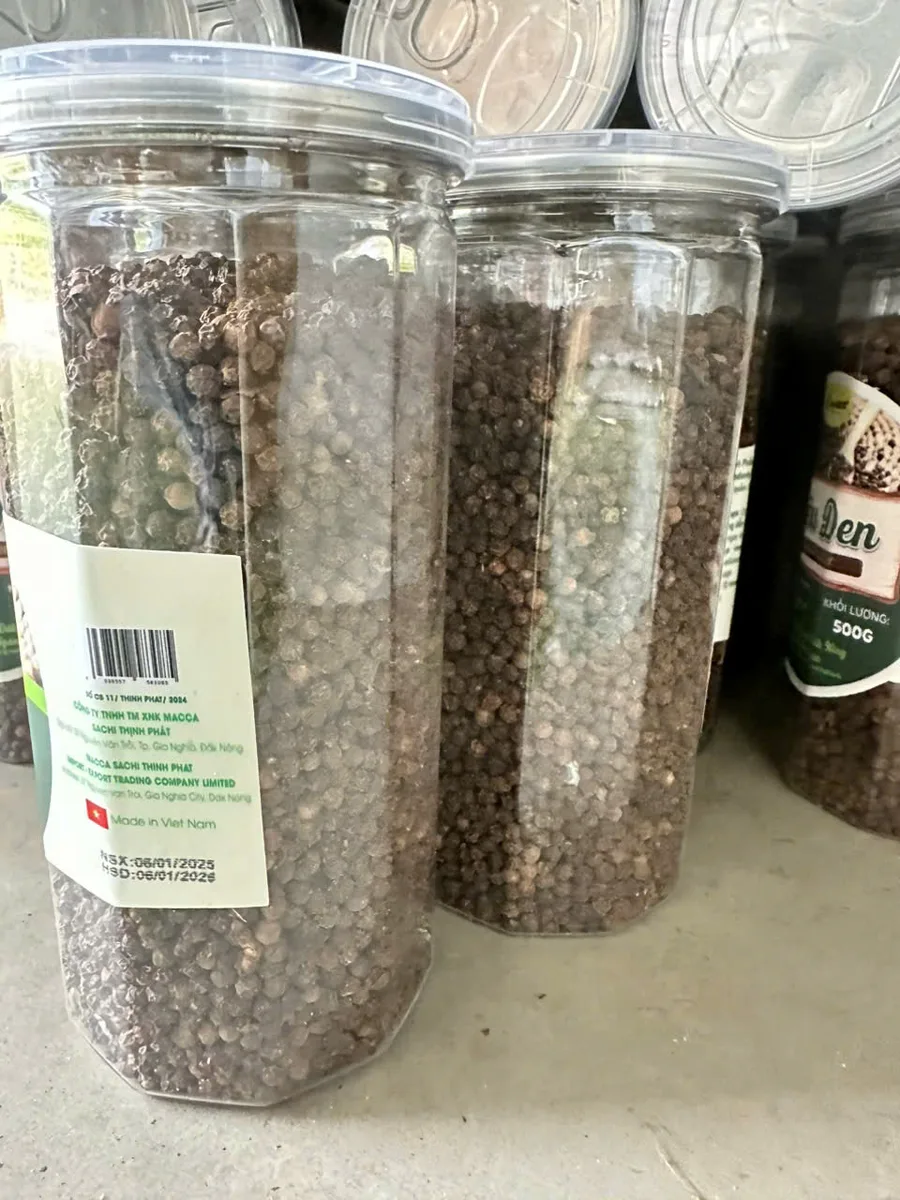
Vietnamese black peppercorns representing national sourcing origins

Origin logic

The useful buyer question is not “Which province is best?” It is “What does this origin claim actually control?”

Vietnam remains one of the central suppliers in world pepper trade. For importers, that makes origin commercially relevant. But province names are only useful when they help explain new-crop timing, stock age, weather exposure, consolidation route, or whether the supplier is describing a specific sourcing zone rather than a broad national blend.

Direct answer

Origin informs the buying brief. Lot identity still decides the contract.

Major regions

Main sourcing zones buyers should understand

Region

Gia Lai

Central Highlands sourcing zone

Harvest role

Generally concentrated in the first part of the year, often within the January-April new-crop window.

Logistics and trade role

Pleiku-linked inland logistics; often consolidated into broader Central Highlands export programs.

Common in Vietnamese black-pepper sourcing discussions where volume, inland aggregation, and crop timing matter.

Verification caution

The province name does not remove the need to define grade, treatment, and lot identity.

Region

Dak Nong

Central Highlands pepper and coffee overlap zone

Harvest role

Early-year flow aligned with the broader Vietnamese pepper harvest season.

Logistics and trade role

Frequently linked to inland consolidation and wider Central Highlands shipping programs.

Relevant when buyers compare pepper origin with other highland crop exposure and weather-driven supply risk.

Verification caution

Origin can inform crop context, but the buyer still needs the final export-lot specification.

Region

Dak Lak

Major highland trade reference in agricultural buying

Harvest role

Part of the same new-crop timing pattern buyers monitor in early-year pepper programs.

Logistics and trade role

Often discussed alongside Gia Lai and Dak Nong when buyers think in Central Highlands sourcing lanes.

Useful as a reference point for inland sourcing and mixed-province commercial programs.

Verification caution

Do not treat Dak Lak as a substitute for a named lot and process flow.

Region

Binh Phuoc

Southeast-origin pepper zone outside the core highland group

Harvest role

Still tied to the wider Vietnam pepper season, but commercial handling may differ from Central Highlands aggregation patterns.

Logistics and trade role

Closer to southeastern crop flows and industrial processing connections.

Often relevant when buyers want to understand whether the offered pepper is strictly highland-sourced or part of a wider Vietnam origin pool.

Verification caution

The buyer should ask whether the shipment is single-origin by province or commercially blended within Vietnam.

Harvest and buying window

Origin matters most when the crop is moving.

January-April

New-crop concentration

Buyers usually see the strongest flow of new-crop Vietnamese pepper offers, but drying, cleaning, treatment, and lab capacity can become bottlenecks.

May-July

Post-harvest contract discipline

Quote comparison should focus on lot age, packing status, treatment route, and whether the shipment is truly comparable to earlier new-crop offers.

August-December

Stock and carryover interpretation

The province label matters less than stock age, condition, handling history, and replacement rules.

Origin questions

Questions importers should ask before origin becomes a commercial claim

Is the origin single-province or mixed?

A shipment can be sold as Vietnamese pepper without being contractually limited to one province.

Does the supplier process imported pepper in the same stream?

If origin matters commercially, the buyer should ask whether non-Vietnam pepper can enter the processing flow.

Which harvest window does the lot come from?

New-crop, carryover, and mixed-stock lots are not the same commercial object.

Is the lot identity stronger than the province story?

A named province is weaker than a lot genealogy with process and shipment records.

FAQ

Questions buyers ask once origin enters the negotiation

Where is black pepper grown in Vietnam? +

Commercial sourcing discussions commonly center on the Central Highlands and adjoining southeastern production zones, including provinces such as Gia Lai, Dak Nong, Dak Lak, and Binh Phuoc.

Does one province automatically produce better pepper than another? +

Not reliably enough for contracting. Province can inform crop context and logistics, but buyers should still contract the lot specification, not the province name alone.

When is Vietnam’s main pepper harvest? +

For buyer planning, the main commercial harvest window is generally treated as concentrated from January through April, though exact timing can shift by weather and locality.

Why does origin still matter if lot approval is more important? +

Origin can help buyers understand harvest timing, logistics, weather exposure, and whether a supplier is discussing a specific sourcing zone or a generic national blend.

What should buyers ask about origin first? +

Whether the lot is single-origin or mixed, whether imported pepper can enter the processing stream, and whether the shipment records can prove the claimed origin scope.

Sources reviewed

Current reference base

FAOSTAT pepper production data

Current FAOSTAT access path

Used for the wider production context that keeps Vietnam positioned as a major global pepper producer.

Next step

Map origin geography to the right buying spec.

Sourcing from Gia Lai, Dak Lak, Dak Nong, or Binh Phuoc provides harvest context. Importers should pair this origins map with the black pepper grades guide, white pepper guide, steam sterilization guide, and the B2B supplier checklist.