01
Raw material choice
White pepper is produced from ripe pepper berries rather than simply re-labelling black pepper.
White pepper is usually bought because the application cannot tolerate dark particles, not because it is automatically “better” than black pepper. The real buying work starts after that decision: color, odor, density, safety controls, and RFQ discipline still have to be defined precisely.
Direct answer
White pepper solves an appearance problem first. Then the buyer has to control the rest of the system.
Why it gets chosen
Pale sauces, soups, seafood products, noodles, and light seasoning systems often cannot accept black flecks.
What still matters
Color, odor, density, microbiology, treatment, residues, and commercial verification still need written controls.
What white pepper is
In trade terms, white pepper is a separate pepper format selected for applications where the dark outer fruit layer would be commercially undesirable. That changes how buyers should evaluate it. Appearance becomes more important, odor control can become more sensitive, and the approved sample needs to carry more weight.
This is why the buyer should not request “white pepper” as if that were a full specification. The quote still needs the same discipline as any other export pepper program: exact format, density, physical limits, chemistry, microbiology, treatment responsibility, packaging, and claims handling.
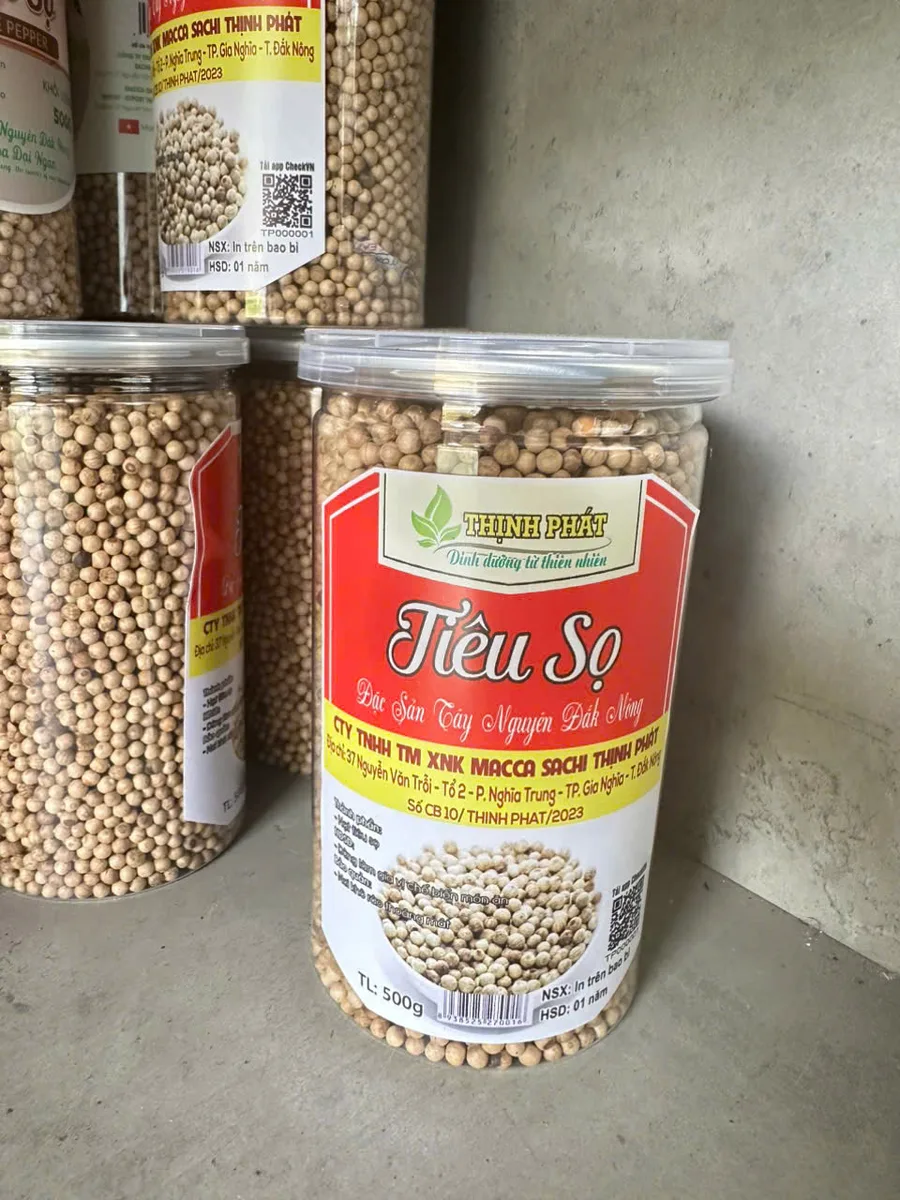
Commercial point
White pepper is a fit-for-application choice, not a universal upgrade.
If the product brief does not actually need a pale pepper appearance, the buyer may be paying for the wrong problem. If it does need that appearance, the specification has to protect it properly.
Decision table
This comparison is the fastest way to avoid buying white pepper for generic reasons. A buyer should be able to explain exactly what the white format solves.
| Factor | White pepper | Black pepper |
|---|---|---|
| Visual appearance | Pale, particle-free look suited to light sauces, soups, and fillings. | Dark fragments remain visible and may be desirable where appearance is less sensitive. |
| Flavor profile | Pepper heat without the same dark-fruit outer-layer character; buyers must still approve odor carefully. | More familiar whole-berry aroma profile for general spice use and visible pepper applications. |
| Typical applications | Cream sauces, noodles, seafood, meat systems, light-colored seasoning blends, retail white-pepper programs. | Grinders, visible whole-pepper formats, broad spice blends, grinding, extraction, and retail black-pepper packs. |
| Specification sensitivity | Color, odor, cleaning, microbiology, and treatment decisions are often more commercially sensitive. | Density, visible defects, microbiology, and treatment controls usually dominate the discussion. |
| Commercial implication | Usually bought for application fit, not as a generic upgrade. Buyer must define exactly why white pepper is required. | Usually the default pepper format unless color and appearance constraints push the buyer into white pepper. |
Processing implications
The processing route is exactly why white pepper cannot be evaluated as if it were a standard black-pepper contract with a different name. Appearance matters more. Odor approval matters more. And the buyer should treat sample approval as part of the product definition, not a courtesy step after quoting.
Raw material choice
White pepper is produced from ripe pepper berries rather than simply re-labelling black pepper.
Outer layer removal
The fruit skin is removed during processing, which is why white pepper loses the dark particles buyers avoid in pale finished foods.
Cleaning and finishing
After removal of the outer layer, the pepper still needs cleaning, drying, polishing, grading, and packing controls.
Buyer implication
Because the process changes the appearance and can also affect odor, color tolerance and off-note rejection need to be part of the approved sample.
Typical grades
600 g/L
Standard commercial white pepper
Best fit: Food manufacturing, food service, ingredient programs, mainstream wholesale use
Buyer check: Still define color tolerance, moisture, odor, and microbiology. Density alone does not control those risks.
620–630 g/L
Denser selection
Best fit: Premium whole white-pepper programs, retail formats, or applications where visible whole-pepper presentation matters
Buyer check: A denser lot may help visual positioning, but the contract should still define cleaning, color, and safety controls explicitly.
Quality and food safety
Current EU market-entry guidance for pepper still centers on food safety, contaminants, residues, and packaging discipline. FDA’s preventive-controls framework also still asks the same core question: who controls the hazard, and how is that control verified? White pepper does not escape those requirements because it looks cleaner in the finished food.
Color tolerance
White pepper is often chosen for appearance. The buyer should approve a sample and state acceptable variation rather than rely on a vague phrase like “creamy white.”
Odor and off-notes
Because white pepper processing can create odor sensitivity, odor acceptance and disqualifying notes should be part of the sample approval process.
Moisture and drying
CBI’s current pepper market-entry guidance notes that buyers commonly work below 12% moisture for black pepper; the same dryness discipline matters in white pepper to reduce storage and contamination risk.
Microbiology
Ready-to-eat or high-risk uses still require a clear hazard-control decision. FDA’s preventive-controls framework is based on who controls the hazard and how that control is verified, not on the pepper color.
Residue and contaminants
Destination-specific residue and contaminant requirements still apply. EU buyers should align testing with current MRL references rather than reuse a generic spice panel.
Ground white pepper
If the product is milled, the buyer should define mesh size, microbiology, treatment, and sampling method before quotation.
RFQ structure
If the RFQ only says “white pepper 620 g/L,” the buyer has not yet described the real product. These are the minimum lines that should be fixed before quote comparison.
| RFQ line | What to define |
|---|---|
| Commercial identity | White pepper, whole or ground, Piper nigrum, origin, crop or shipment window, and intended market. |
| Density | For whole pepper, define the target density and tolerance, such as 600 g/L or 620–630 g/L. |
| Color and appearance | Approved sample, visual reference, allowable variation, and any screen-size expectation if relevant. |
| Odor and sensory rejection | State that odor must be approved against the sample and define unacceptable taints or off-notes where relevant. |
| Moisture and cleanliness | Moisture limit, foreign matter, and other physical-cleanliness expectations. |
| Chemistry | Piperine, ash, acid-insoluble ash, and other analytical requirements if the buyer uses them. |
| Microbiology and treatment | Who controls the hazard, whether a treatment step is required, what verification method applies, and which lot identity governs the result. |
| Residues and contaminants | Destination-specific pesticide panel plus any agreed mycotoxin, PAH, or heavy-metal checks. |
| Ground format controls | If ground, define mesh size, packaging, shelf-life expectations, and retained-sample method. |
| Commercial terms | Incoterm, quantity, shipment window, price validity, inspection method, and claims procedure. |
FAQ
Usually because the finished product cannot tolerate dark particles or because the buyer wants a different appearance in sauces, soups, seafood systems, and similar applications.
Not in every use case. White pepper is often more specialized, but the right choice depends on the product brief, appearance requirement, and processing system.
No. Density helps describe physical selection, but buyers still need color approval, odor acceptance, moisture control, safety controls, and destination-market testing requirements.
Form, density, color tolerance, odor acceptance, microbiology and treatment requirements, residue plan, packaging, and the sample or lot identity that will govern acceptance.
No. Safety depends on hazard control, verification, handling, and destination-market compliance. Color and product form do not remove the need for supplier qualification.
Sources reviewed
The purpose of the source set is not to over-cite simple commodity facts. It is to keep the buyer logic current on standards, trade categories, and compliance expectations.
Updated 11 May 2026
Used for current EU market-entry, moisture, food-safety, quality-framework, and packaging expectations for pepper trade.
Accessed 11 July 2026
Used to confirm that white pepper remains a distinct trade category in current pepper-market references.
Codex standard listing current on access
Used as the international reference framework for black, white, and green pepper standards.
FDA page current on access
Used for the buyer-side framing of supply-chain-applied controls and approved-supplier verification.
Accessed 11 July 2026
Used for current EU residue-check workflow references.
Next step
Send GreenTech the intended product use, format, and treatment responsibility. To build a complete spec, pair this white pepper guide with the black pepper grades guide, steam sterilization guide, pepper origins map, and the B2B supplier checklist.
Chat with us