The supplier leads with a certificate but cannot define the lot.
That usually means the proof and the product are not yet tied together.
Pepper sourcing risk sits in the system, not only in the sample. A buyer should qualify the exporter, the process flow, the evidence, and the claims route before a price comparison becomes meaningful.
Direct answer
The strongest supplier is the one who can explain the lot, not the one who lists the most generic assurances.
Checklist
| Check area | What to verify |
|---|---|
| Legal seller identity | Can the supplier state the legal exporter, contracting entity, and named shipping role without ambiguity? |
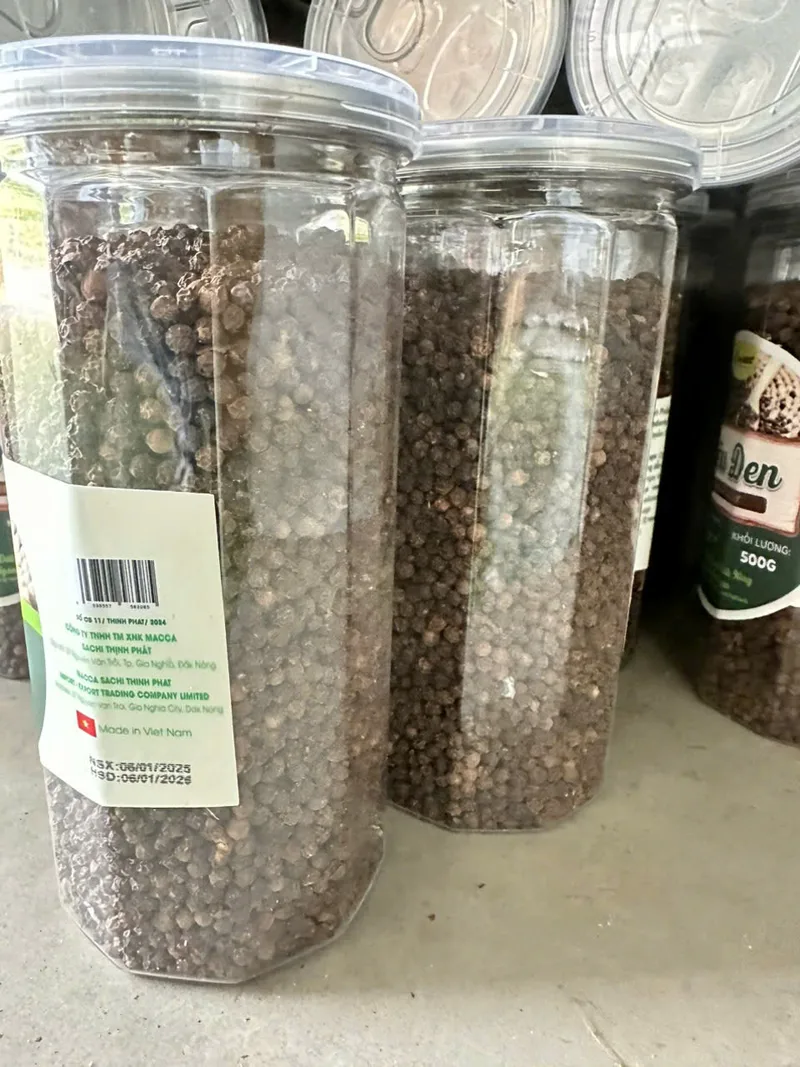
| Product fit | Can they describe whether they are quoting black pepper, white pepper, whole, ground, treated, untreated, and the intended density or appearance band? |
| Origin scope | Can they explain whether the lot is sourced from a named Vietnamese region, a mixed domestic aggregation, or a system that may also process imported pepper? |
| Grade literacy | Can they explain what 500, 550, 570, 580, 600, or 620–630 g/L do and do not mean in contract terms? |
| Cleaning and finishing flow | Can they describe machine cleaning, polishing, grading, metal detection, treatment, and packing as a real process flow rather than a list of marketing terms? |
| Microbiology and treatment | Can they state who controls the hazard, whether treatment is required, and what verification evidence is tied to the lot? |
| Residues and contaminants | Can they align the test plan to the destination market instead of reusing a generic spice panel? |
| Sampling and retained samples | Can they define which sample approves the lot, which sample controls claims, and how retained samples are stored? |
| Packaging and shipment | Can they define bag, liner, palletisation, moisture protection, and container controls in writing? |
| Documentation and claims | Can they provide lot-specific COA logic, inspection route, quote validity, and replacement procedure? |
Why supplier comparison fails
That is why the safest buying discipline is to issue one structured RFQ to every shortlisted supplier and judge them on their ability to answer the same questions in writing.
The supplier leads with a certificate but cannot define the lot.
That usually means the proof and the product are not yet tied together.
The quote says “Vietnam pepper” without origin rules.
Origin may be assumed rather than demonstrated, especially if processing streams are mixed.
Testing is broad but generic.
A long lab report still may not answer the destination market’s actual residue or microbiology questions.
Treatment is mentioned, but the process owner is unclear.
The buyer still does not know who controls the hazard.
The supplier avoids writing the claims process.
That often means the system only works while everything goes well.
Supplier scorecard
Specification accuracy
Explains grade, density, moisture, defects, and form precisely rather than using catch-all language like “best export quality.”
Market-fit testing
Matches microbiology, residue, and contaminant checks to the actual destination market and product use.
Treatment clarity
Can explain whether the lot is untreated, steam treated, or controlled elsewhere in the chain, and who owns that control.
Document discipline
Can connect the offered lot to actual supporting documents rather than showing generic certificates.
Commercial discipline
Keeps Incoterm, quantity, shipment window, and quote validity tight enough to compare two offers honestly.
Claims readiness
Can define sampling, claim timing, and replacement logic before a dispute exists.
Quote comparison
Same product form
Do not compare whole black pepper with treated ground pepper or white pepper with black pepper unless the product brief allows it.
Same specification lines
Density alone is not a basis for comparison. Align moisture, defects, chemistry, microbiology, treatment, packaging, and claims terms.
Same trade terms
FOB, CFR, CIF, payment terms, and shipment windows must match before price differences mean anything.
Same evidence standard
Compare offers based on the same testing, sampling, and documentation expectations.
FAQ
Whether the supplier can define the exact commercial object: product form, grade, origin scope, treatment status, and which evidence belongs to the offered lot.
No. The sample matters, but the larger risk often sits in traceability, hazard control, packing discipline, and claims handling.
Because residue, contaminant, and microbiology expectations are not interchangeable. A generic test panel can still leave a market-specific risk open.
Yes. That is the fastest way to expose missing controls and avoid comparing offers built on different assumptions.
The easier supplier can explain the lot, the process, the evidence, and the claims route in named records rather than broad assurances.
Sources reviewed
Updated 11 May 2026
Used for current buyer-facing quality, contaminant, packaging, and food-safety expectations.
FDA page current on access
Used for supplier approval and supply-chain-applied control framing where U.S.-bound product is concerned.
Accessed 13 July 2026
Used as the current market reference point for pepper trade categories and export-facing terminology.
Accessed 13 July 2026
Used for current residue-check workflow references when buyers plan destination-specific testing.
Next step
Importers should pair this B2B supplier scorecard with the black pepper grades guide, white pepper guide, steam sterilization guide, pepper origins map, and our Agricultural Incoterms & Moisture Risk Guide for ASTA/ESA contract alignment.
Chat with us